TEM Finder Grids

A metal specimen-support grid provides physical openings for transmission electron microscopy. Its bars or surrounding frame support the specimen or a thin support film while leaving observation areas open.

TEM Finder Grids

Configuration and materials

Metal grid material, support-film type and compatibility with the specimen preparation method are selected together. A glass substrate is not part of this specimen-grid structure.

  • Outer format and specimen-holder fit
  • Opening geometry, bar width and material
  • Support film and coordinate marks

Balance support and usable observation area

Wider bars provide more support but obscure more of the specimen. Larger openings expose more area but place greater demands on the specimen or supporting film. Mesh count alone does not define the clear opening: bar width also matters.
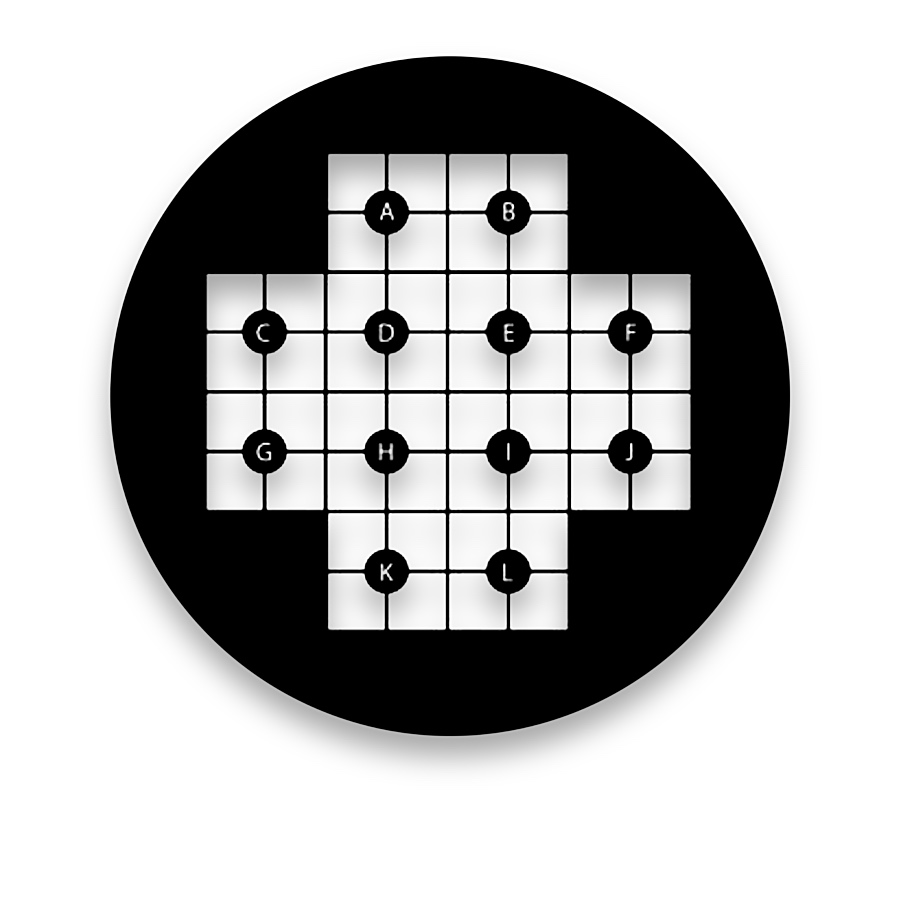
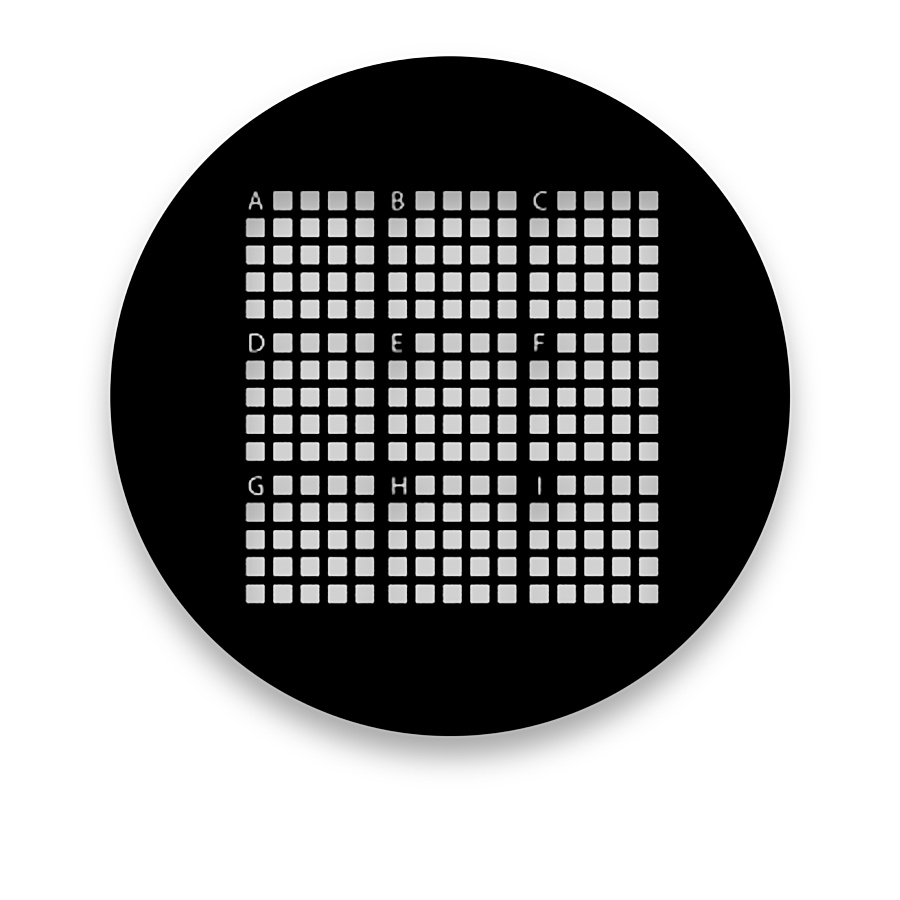
Keep specimen coordinates recoverable

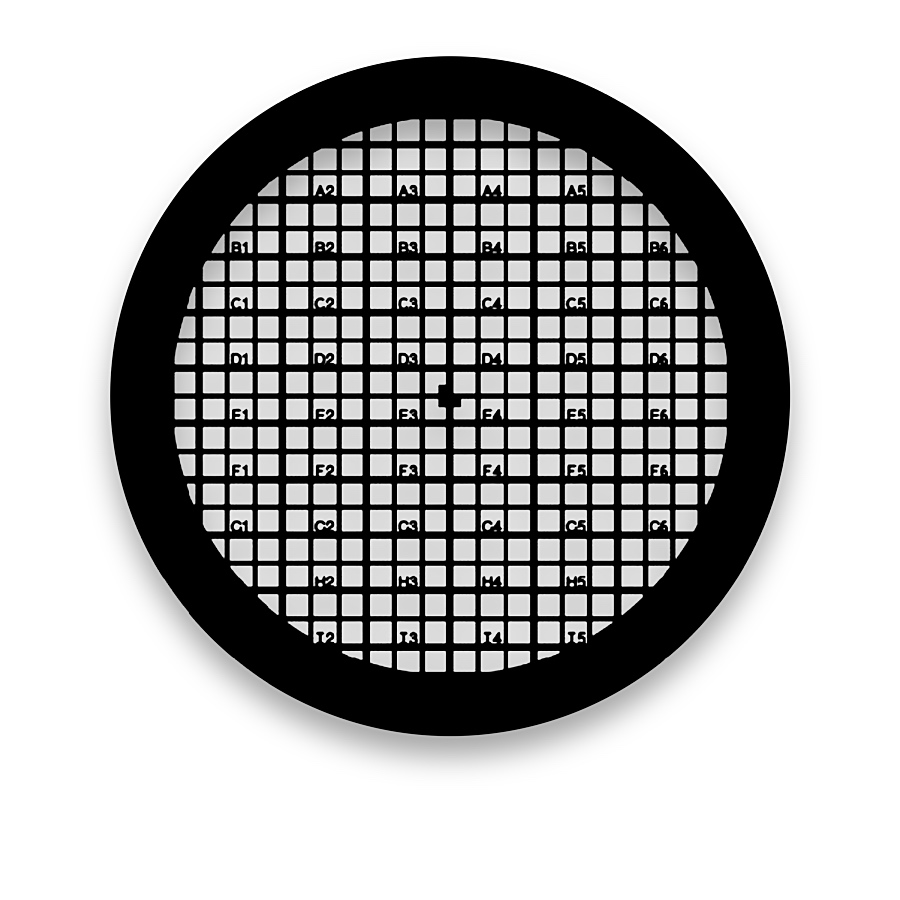
For labelled grids, record both the address and orientation. On an unlabelled regular lattice, record an identifiable reference before moving to another field; repeated cells may otherwise look identical.

Choose by function

What it is and what it does

A metal specimen-support grid provides physical openings for transmission electron microscopy. Its bars or surrounding frame support the specimen or a thin support film while leaving observation areas open.

When to choose it

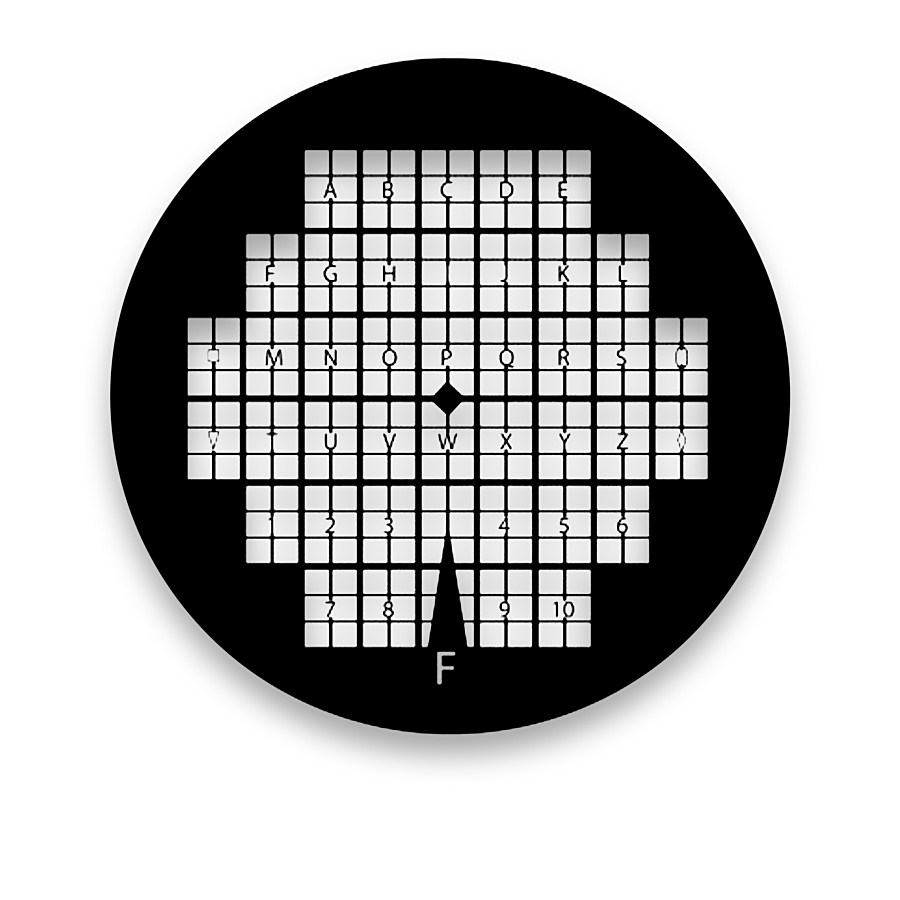
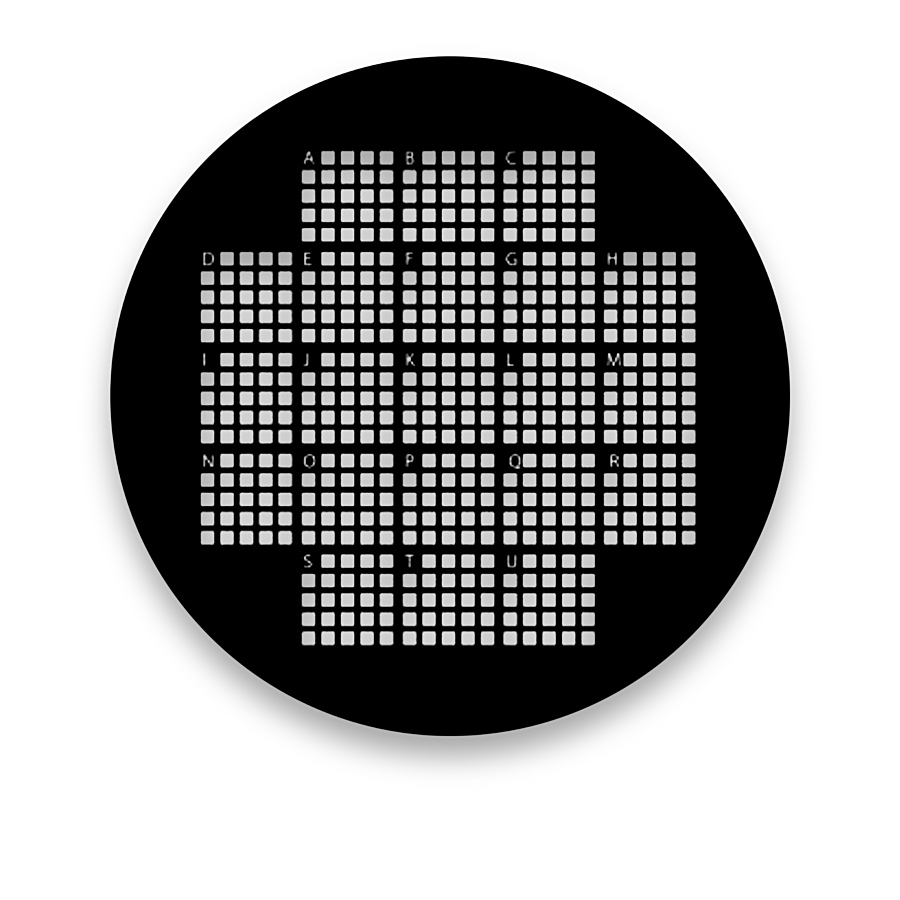
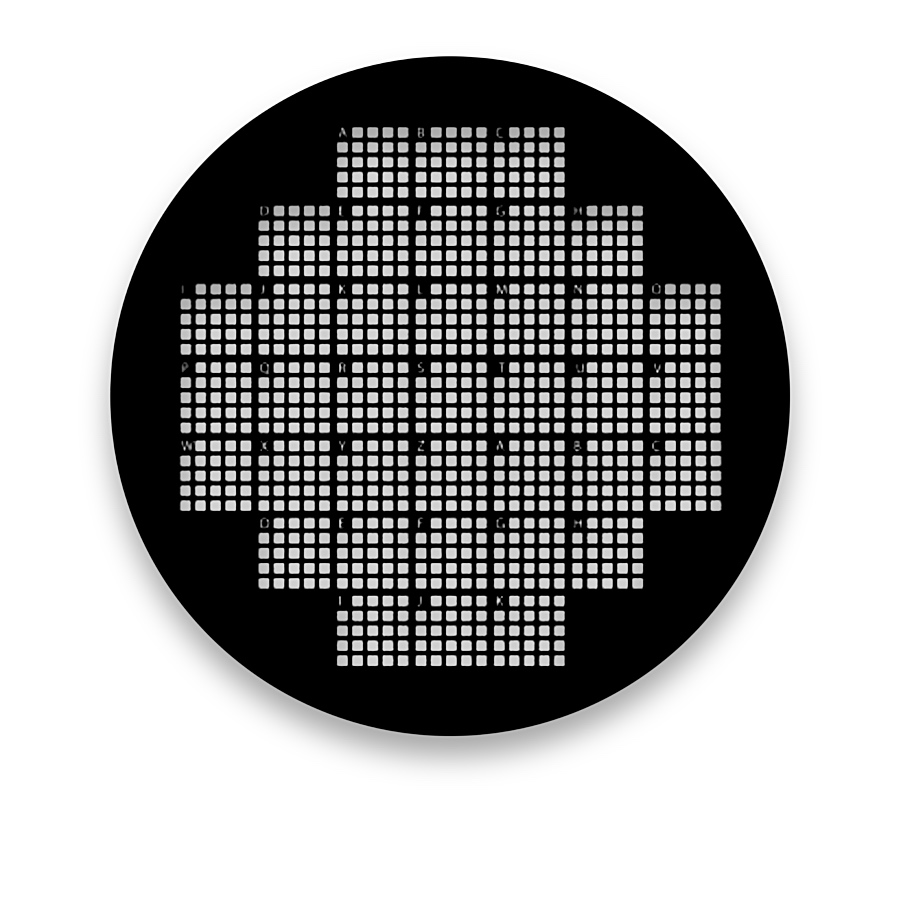
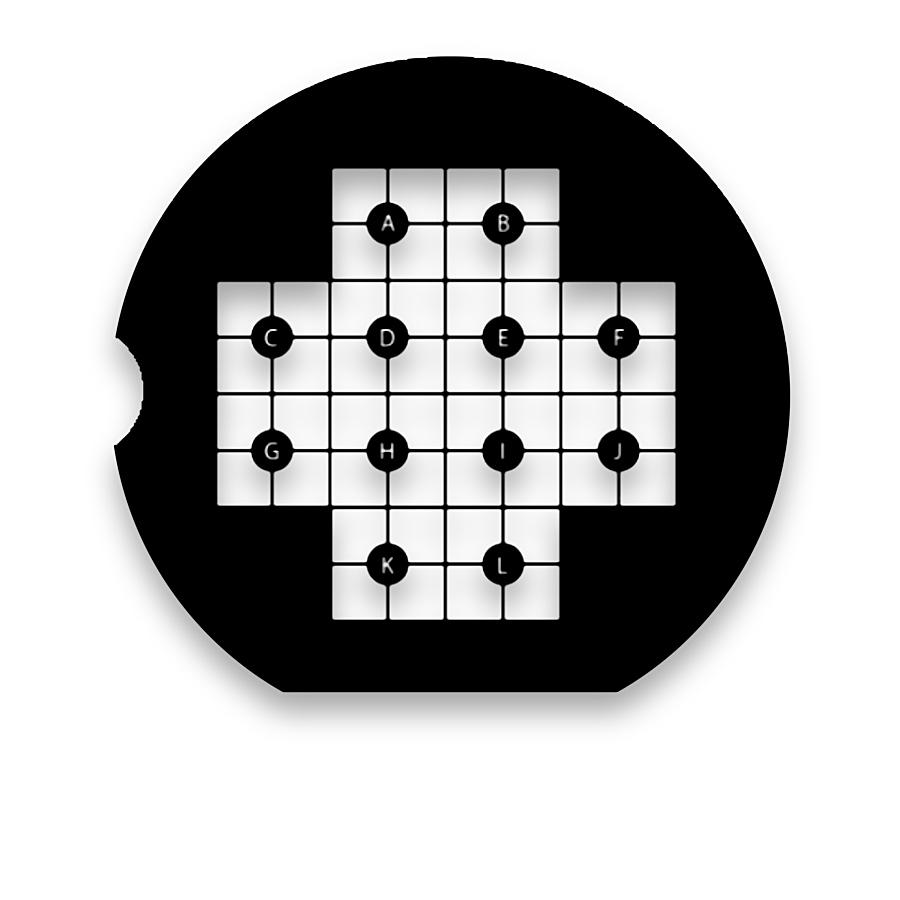
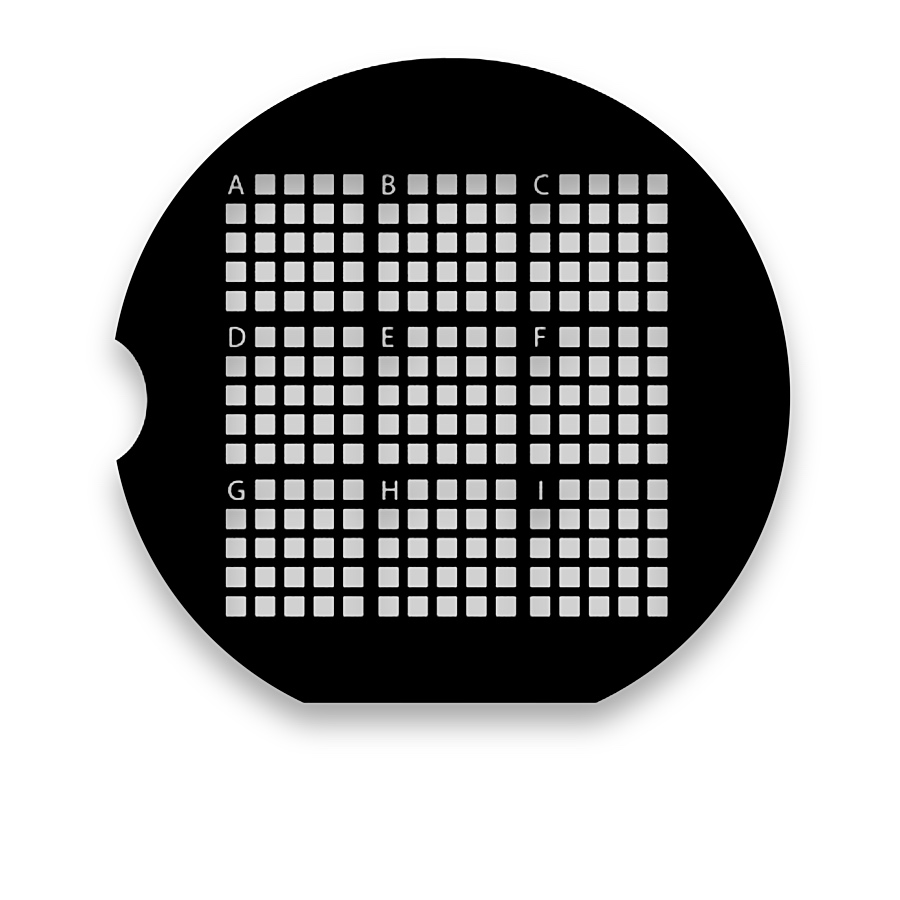
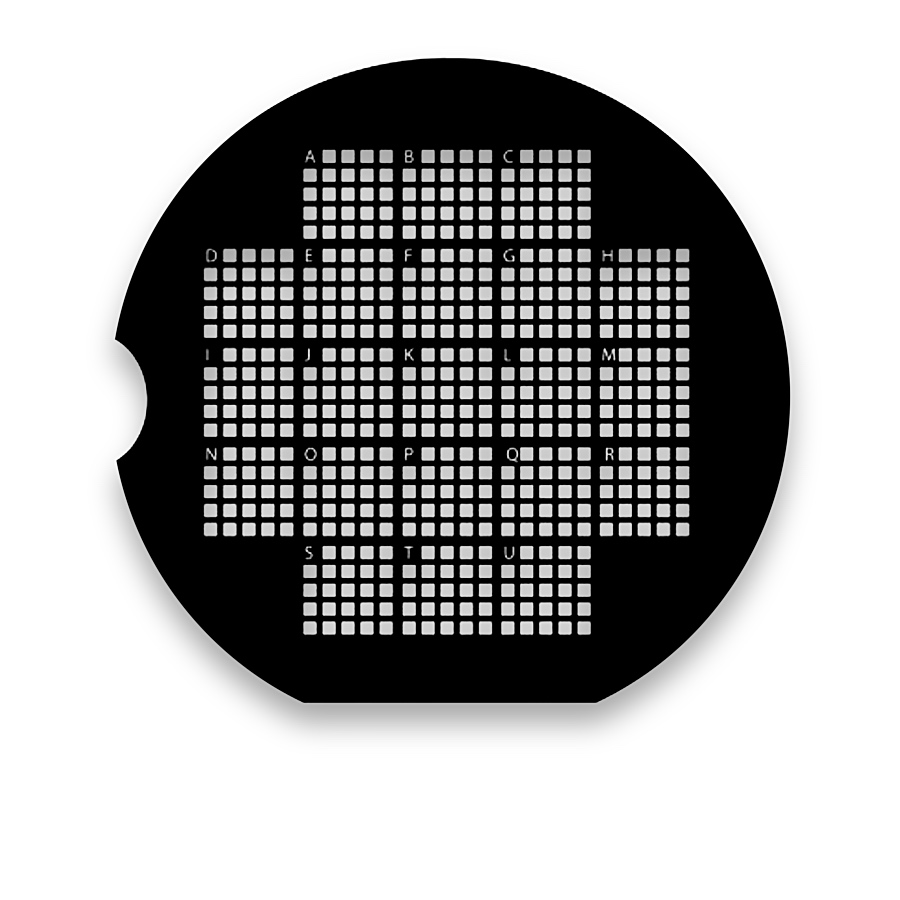
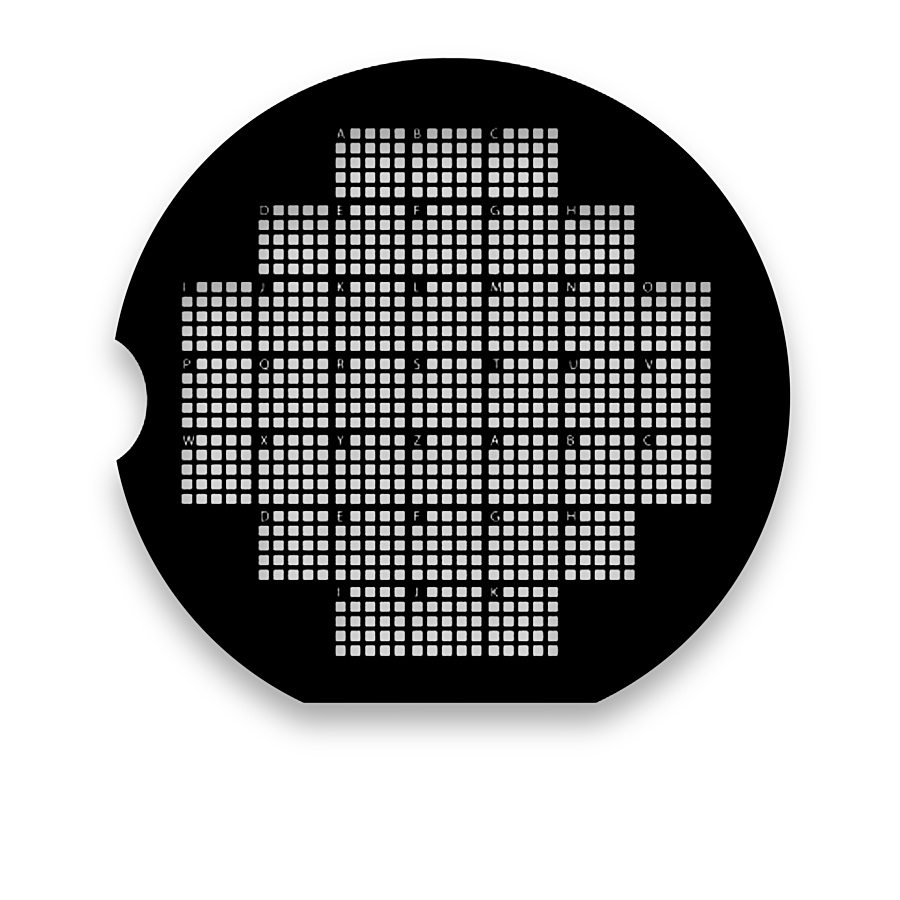
Choose labelled finder or coordinate grids when recorded specimen regions need to be relocated. Record grid orientation and the local position within the labelled region.

How it differs from related products

A TEM support grid has physical openings. A chrome-on-glass reticle has a continuous optical substrate and serves a different observation or alignment role. Similar lattice geometry does not make the components interchangeable.

What can be customised

Mesh geometry, bar width, outer format, material and any support film determine the configuration. Coordinate marks add an address system without changing the fundamental specimen-support role.

What you receive

The component definition identifies the metal grid and any support-film coating separately. Specimen preparation and the microscope holder remain separate parts of the workflow.

Pattern and format options

TEM Finder Grids — Pattern 003

Pattern 003

TEM Finder Grids — 7HFG-100

7HFG-100

TEM Finder Grids — 7HFG-200

7HFG-200

TEM Finder Grids — H2

H2

TEM Finder Grids — 7HFG-300

7HFG-300

TEM Finder Grids — 7HFG-400

7HFG-400

TEM Finder Grids — 7FG-100

7FG-100

TEM Finder Grids — 7FG-200

7FG-200

TEM Finder Grids — 7FG-300

7FG-300

TEM Finder Grids — 7FG-400

7FG-400

Common questions

Does mesh count define the open-hole width?

No. The pitch and bar width together determine the physical clear opening.

Related pattern choices

Selection notes

TEM finder grids add location marks to a specimen-support structure for returning to recorded regions.

Choose readable identifiers, mesh and support film together. Record the viewing direction when mapping specimen locations.

Information for your inquiry

Marking layout, mesh, metal, support film and holder dimensions.

What makes a finder grid different?

Its location marks help associate observations with repeatable specimen regions; the support geometry and film still need to suit the specimen.

Search