Product Overview
Precision glass substrates, photomasks and custom photolithography-patterned components.
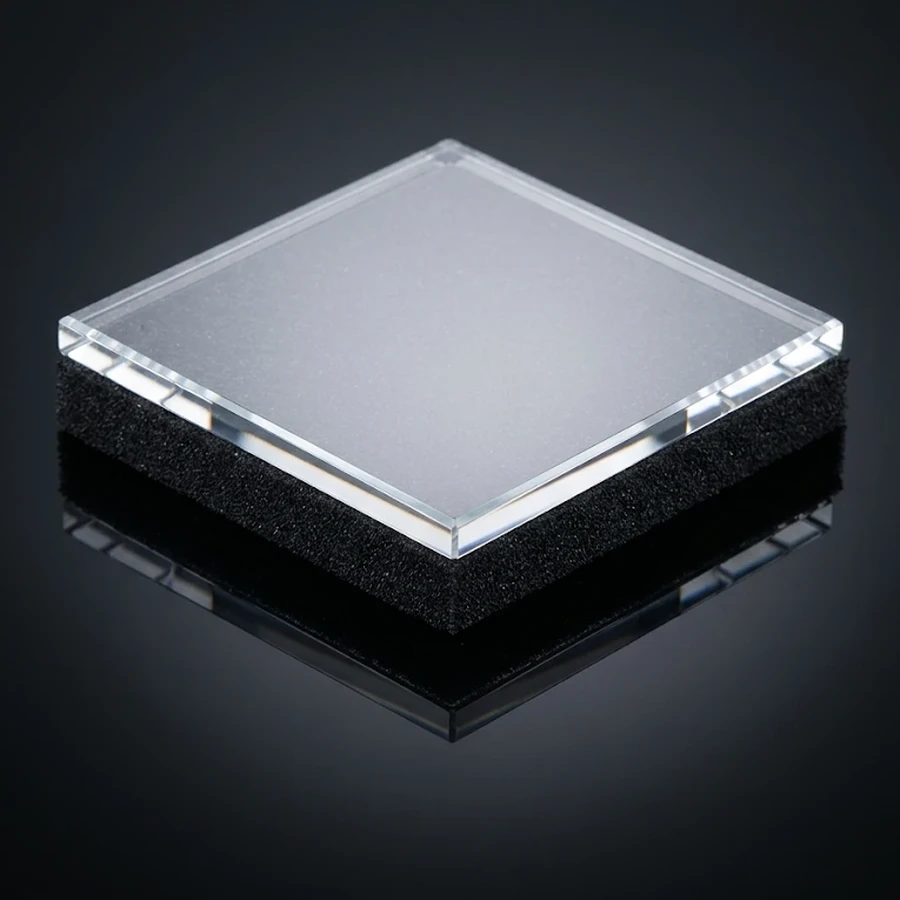
Polished glass and fused silica for coating, lithography and precision optical components.
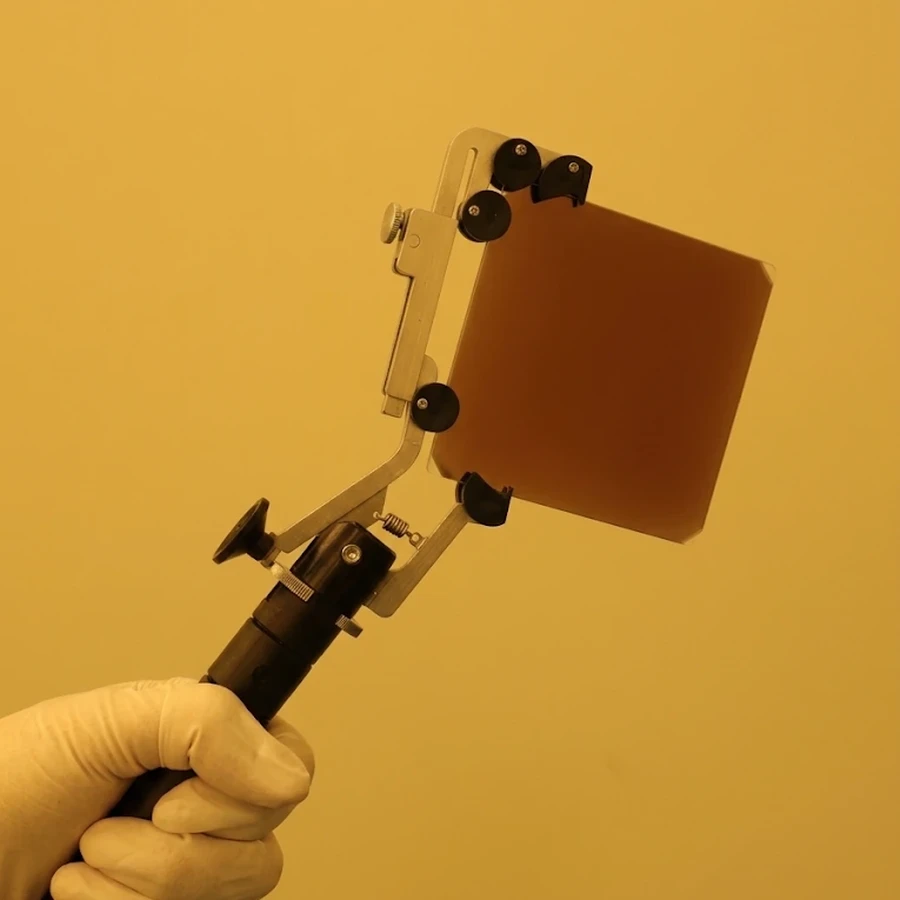
Chrome-coated and photoresist-coated blanks for your next patterning step.
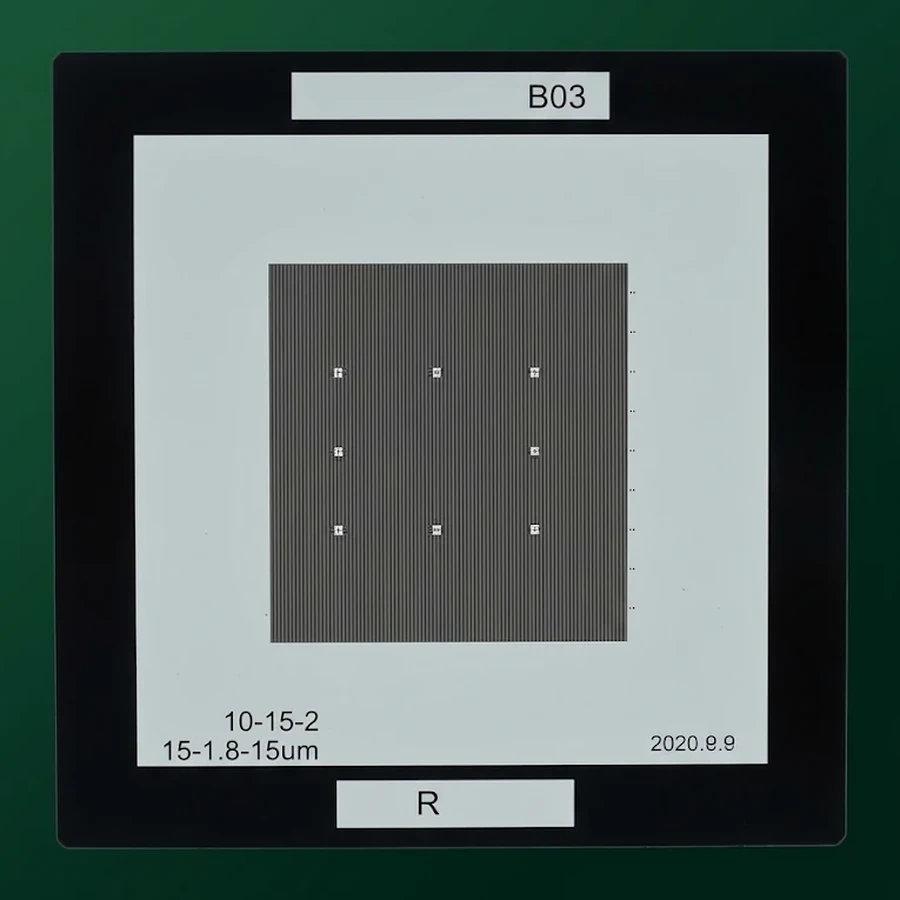
Custom mask patterns for exposure, pattern transfer and microstructure fabrication.
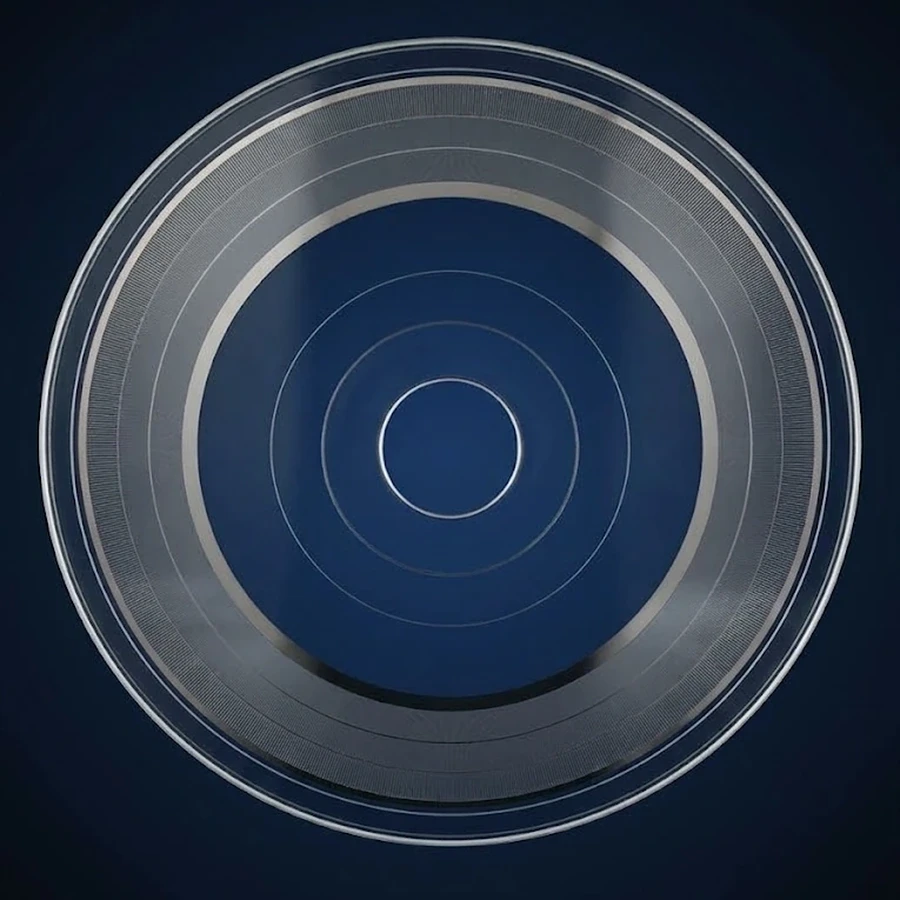
Glass code discs and scales for rotary angle and linear position sensing.
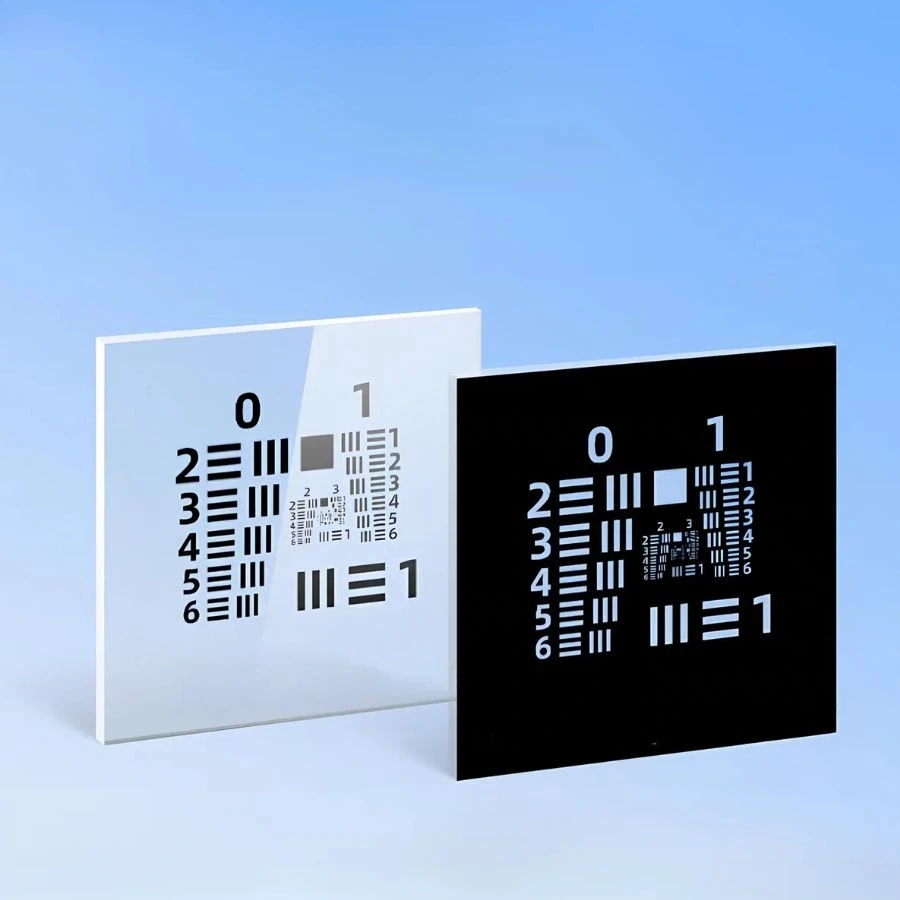
Reference patterns for resolution testing, camera calibration and dimensional measurement.
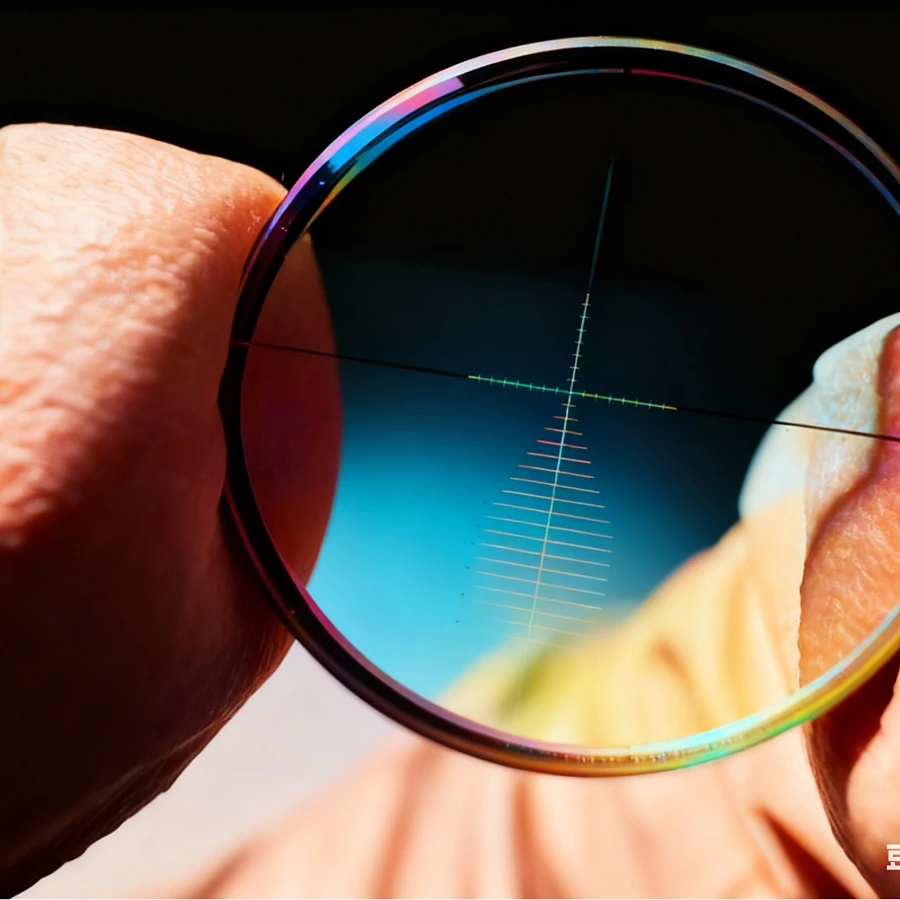
Crosshairs, scales and grids for observation, aiming, measurement and counting.
For other drawing-defined patterns, explore Custom Micro-Patterned Glass
What should I order?
Start with the job performed by the glass. A blank is a starting material; a photomask is a finished transfer tool; an encoder, reticle or target is a functional component read inside an instrument.
Which differences matter?
Material, pattern polarity, size, thickness, optical mode and mounting are separate choices. Do not use a product family name as a substitute for the working wavelength, active area or reading direction.
What can be customized?
The drawing can define the substrate, clear aperture, line width, pitch, code tracks, reference marks, orientation, film stack, edge treatment, inspection area and packaging.
What will I receive?
The deliverable is the agreed patterned component or blank, identified by drawing revision and quantity, with the inspection record and packaging documents defined for the project.
Product family at a glance
| Product family | What it does |
|---|
| Photomask blanks | Unpatterned glass or fused silica with a chrome and, when required, photoresist layer. Choose it when you will perform the exposure or writing step yourself. |
|---|
| Finished photomasks | Patterned chrome on glass or fused silica that carries the artwork used to transfer geometry into a resist-coated workpiece. |
|---|
| Encoder discs and linear scales | Passive patterned glass references read by an optical head for rotary angle or linear position feedback. Disc or scale geometry must be matched to the readhead and mechanics. |
|---|
| Reticles and graticules | Glass reference patterns placed in an eyepiece, viewing path or optical instrument for aiming, comparison, measurement or alignment. |
|---|
| Calibration and test targets | Known bars, edges, grids, dots or stars used to test image resolution, camera geometry, focus or pixel-to-length calibration. |
|---|
| Custom micro-patterned glass | A drawing-led route for a functional pattern that does not fit one standard family, including apertures, slits, fiducials, grids and combined features. |
|---|
Common selection questions
Is an encoder disc the same as a calibration target?
No. An encoder disc is designed to provide position feedback to a readhead as a shaft rotates. A calibration target is a known visual pattern used to evaluate an imaging or measurement system. Their pattern geometry, mounting and acceptance method are different.
Do I need a finished mask or a coated blank?
Choose a coated blank when your own process will expose, develop and etch the pattern. Choose a finished photomask when the drawing must already be transferred into the chrome layer for use in an exposure tool.
Can one drawing cover a prototype and repeat order?
Yes, when the approved revision, inspection method and change-control rules are kept the same. Quantity, packaging and sampling can be different, but the part identity should stay linked to the released drawing revision.
Selection notes
Find optical components by the job they perform: material preparation, pattern transfer, position feedback, observation or imaging calibration.
