
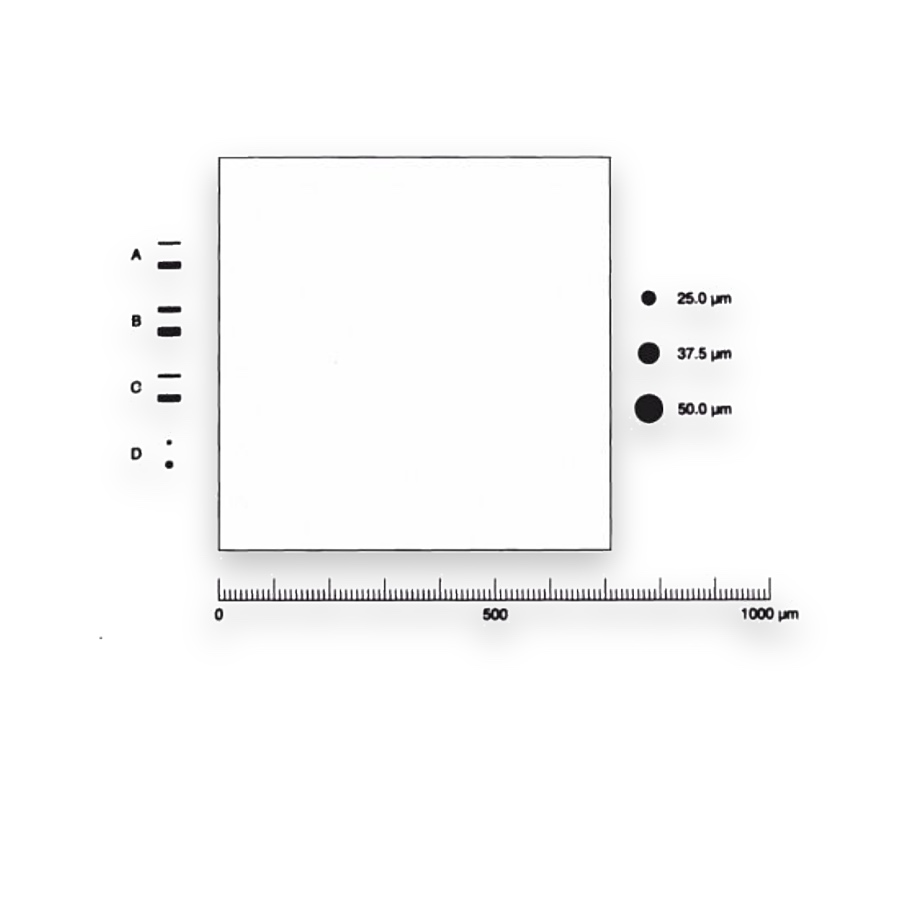
Inclusion Assessment Reticles

Size references and an observation frame support comparison of inclusions in a prepared metallographic section. Classification depends on the specified method.

Inclusion Assessment Reticles

Configuration and materials

Specify optical glass or fused silica, overall dimensions, thickness, pattern-side orientation and the clear aperture. Define transmission, reflectance or optical density at the working wavelength when optical contrast is critical.

  • Active field, scale or feature geometry and optical-plane location
  • Material, outside dimensions, thickness and mounting datums
  • Working instrument, illumination and viewing side
  • Critical tolerances, inspection intervals and reporting needs

Applying the reference to material examination

Compare defined inclusion classes

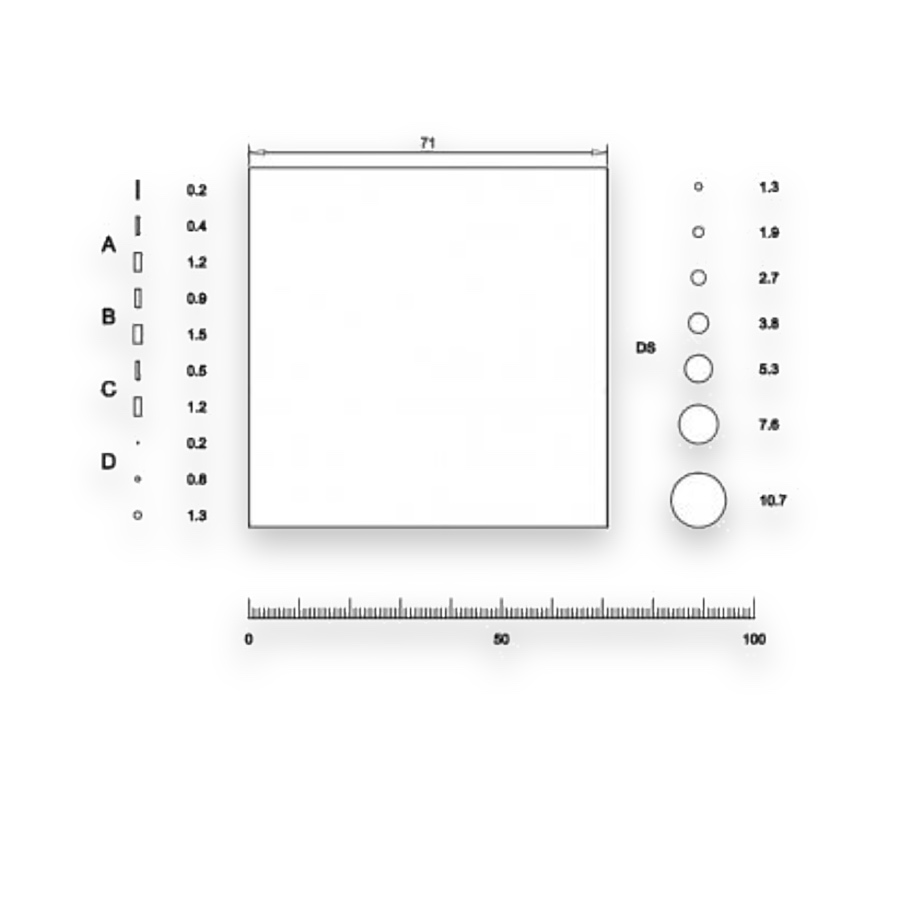
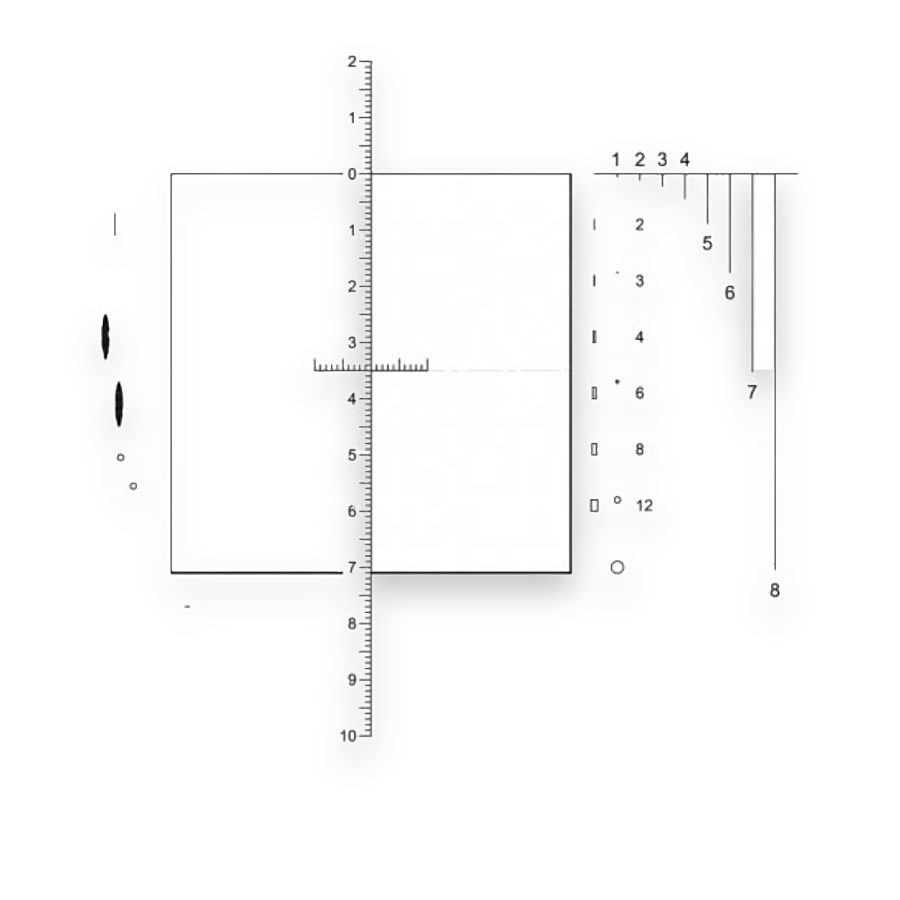
Comparison patterns help assess the apparent size, distribution or class of non-metallic inclusions in a prepared section. The chosen classification method defines how those appearances are reported.

Point fractions, intercepts and material sampling
Separate morphology from identification

A visual class is not a chemical identification. Polishing quality, section plane and observation conditions can change appearance, so the reference must be used within the prescribed examination method.

Optical references in measuring instruments

Choose by function

What it is and what it does

Size references and an observation frame support comparison of inclusions in a prepared metallographic section. Classification depends on the specified method.

When to choose it

Identify the applicable standard edition, magnification and inclusion categories. Reticle geometry alone does not establish compliance with a complete test method.

How it differs from related products

Grain sizing evaluates a microstructure’s grain scale; inclusion assessment evaluates non-metallic constituents. Their comparison patterns and preparation methods differ, so one named metallographic reticle should not be substituted for another solely because both contain lines or circles.

What can be customised

Line geometry, graduations, labels, field diameter, substrate thickness and mounting outline can be matched to the instrument. Contrast and line density should allow the reference and the specimen to remain visible together.

What you receive

A patterned glass reference component with the selected graduations, outline and mounting dimensions, accompanied by the specified inspection records.

Where this product is used

Pattern and format options

Inclusion Assessment Reticles — G44

G44

Inclusion Assessment Reticles — NG61

NG61

Inclusion Assessment Reticles — NG60

NG60

Related pattern choices

Selection notes

Inclusion-assessment reticles provide size, shape or field references for microscopic metallographic evaluation.

Keep pattern category, dimensions and reading conventions consistent with the selected assessment procedure.

Information for your inquiry

Method, inclusion reference shapes, dimensions, field, magnification and mounting format.

Can similar-looking patterns be used for the same method?

The assessment also depends on pattern class, dimensions and reading rules. Use the artwork specified by the method.

Search