Stereology Test-Line Reticles

Test lines, endpoints or curved probes form a geometrical sampling system. Different layouts support different intersection or point-count measurements.

Stereology Test-Line Reticles

Configuration and materials

Specify optical glass or fused silica, overall dimensions, thickness, pattern-side orientation and the clear aperture. Define transmission, reflectance or optical density at the working wavelength when optical contrast is critical.

  • Active field, scale or feature geometry and optical-plane location
  • Material, outside dimensions, thickness and mounting datums
  • Working instrument, illumination and viewing side
  • Critical tolerances, inspection intervals and reporting needs

Applying the reference to material examination

Test lines support intersection measurements

A known total test-line length can be combined with counted intersections under a stereological method. The line geometry supplies the sampling reference, while the method defines the estimator.

Point fractions, intercepts and material sampling
Orientation belongs to the sampling design

Directional structures can give different counts for different line orientations. Choose the line layout and specimen sampling together; an arbitrary two-dimensional view does not automatically provide an unbiased three-dimensional result.

Calibrate eyepiece divisions against a stage scale

Choose by function

What it is and what it does

Test lines, endpoints or curved probes form a geometrical sampling system. Different layouts support different intersection or point-count measurements.

When to choose it

Match the exact test system to the analysis formula. Define total test-line length, point count, orientation and specimen sampling strategy.

How it differs from related products

A grid divides an area, while point and line arrays support specific sampling estimators. Counting objects per field differs from estimating area fraction or liquid concentration; the sampling method defines the result.

What can be customised

Field coverage, pitch, point spacing, line orientation and labelled sectors can be configured for the counting or sampling method.

What you receive

A patterned glass reference component with the selected graduations, outline and mounting dimensions, accompanied by the specified inspection records.

Where this product is used

Pattern and format options

Stereology Test-Line Reticles — NGW2

NGW2

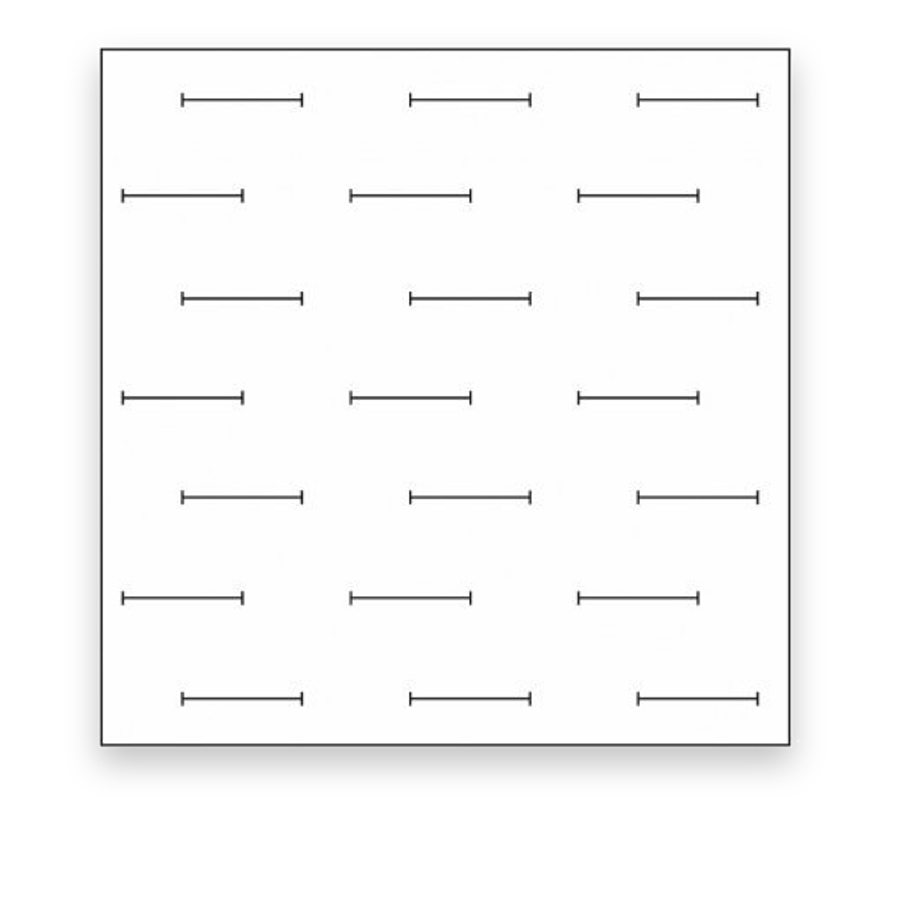
  • The Weibel 2 layout uses repeated short line probes and endpoints. Total line length and endpoint count must match the analysis convention.
Stereology Test-Line Reticles — GW3

GW3

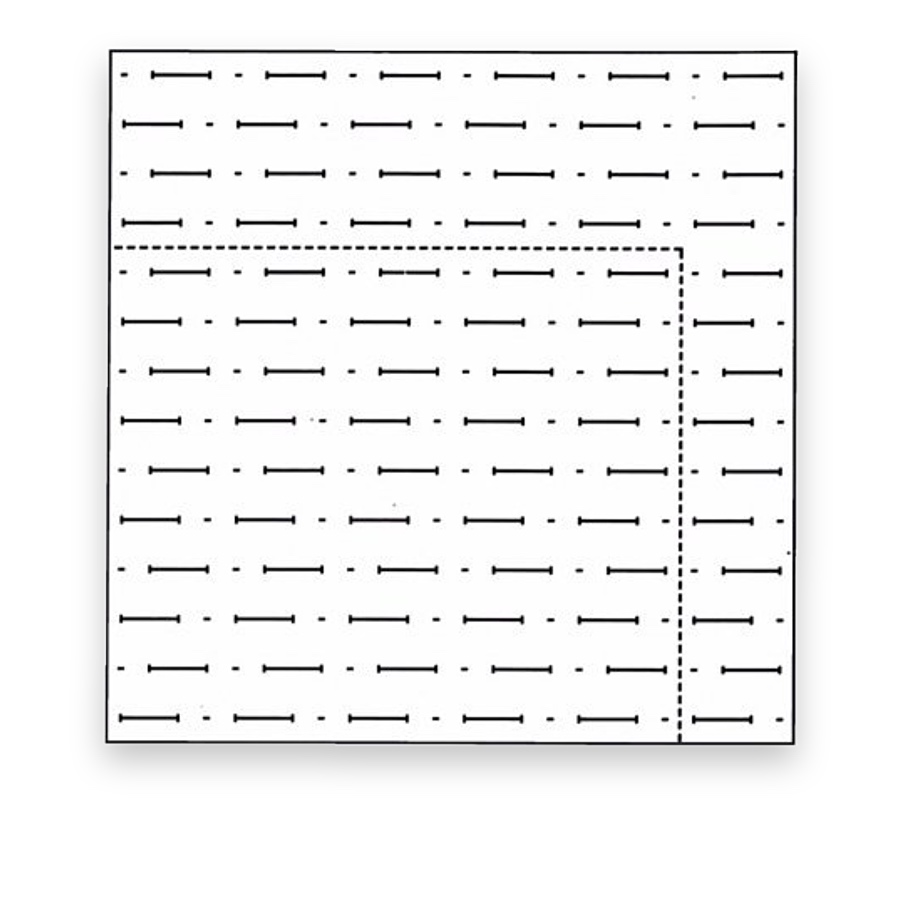
  • The Weibel 3 reference combines probe marks in a different arrangement from the Weibel 2 layout. Preserve its geometry when applying the corresponding estimator.
Stereology Test-Line Reticles — NGM1

NGM1

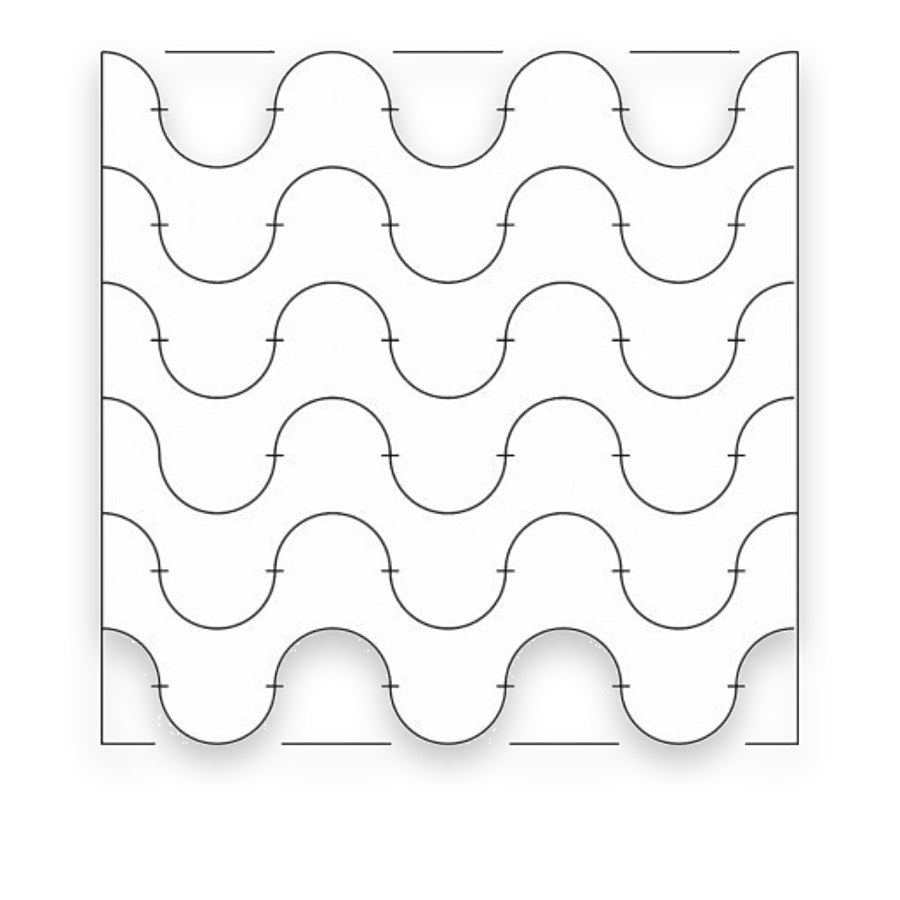
  • The Mertz reference uses a repeating curved test-line arrangement. Specify curve geometry, repeat spacing and the test-line length used in analysis.
Stereology Test-Line Reticles — G49

G49

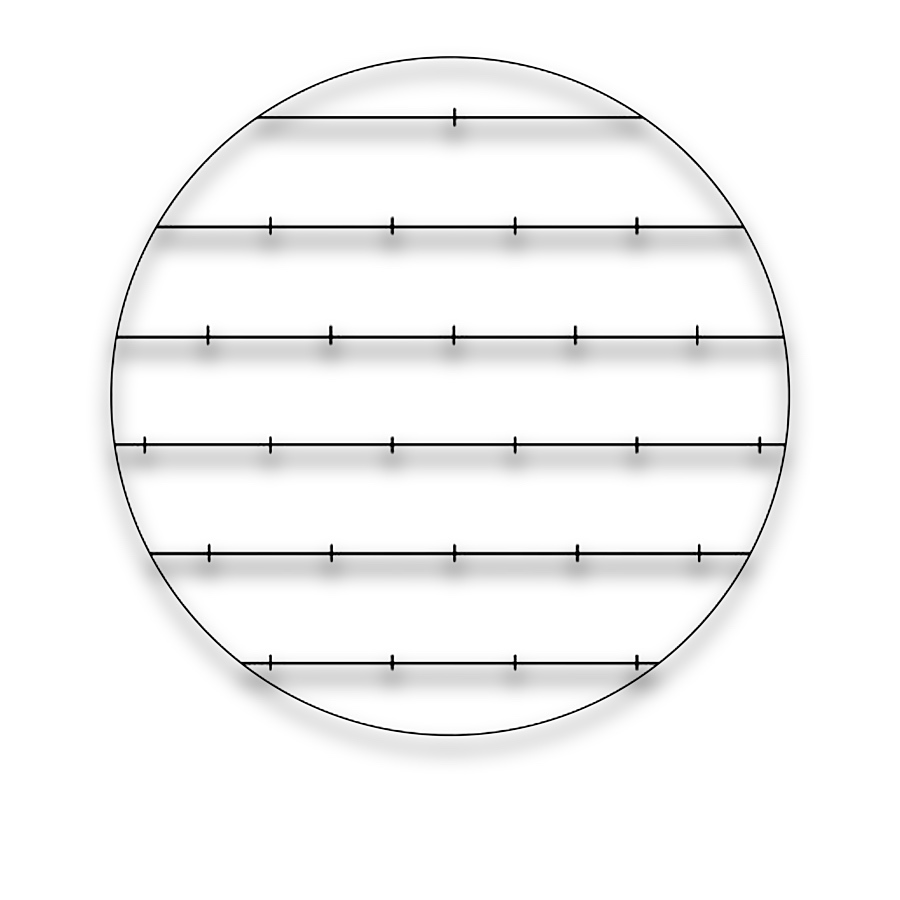
  • The Henning reference uses parallel lines carrying regularly spaced marks. Define test-line length and mark spacing for the intended measurement.

Related pattern choices

Selection notes

Stereology reticles provide defined test lines for intersection and intercept sampling in microscopy.

Match line geometry and length to the quantity and sampling method. Record the calibrated scale and sampling plan.

Information for your inquiry

Line layout, calibrated length, method, field, orientation and mounting geometry.

Can a line reticle replace a point-counting reticle?

Line and point sampling measure different statistics. Choose the layout for the quantity and method being reported.

Search