Microscope Eyepiece Reticles

Ocular graticules for measurement, counting, size comparison and angular reference within microscope eyepieces.

Choose by function

What it is and what it does

An eyepiece reticle places a pattern at a suitable image plane in the viewing optics. The observer sees its reference lines together with the magnified specimen, supporting alignment, comparison and calibrated measurement.

When to choose it

Choose the geometry around the observation: crosshairs for centring, scales for length, grids for sampling and comparison patterns for a defined inspection method. Placement in the eyepiece or specimen plane changes how it is used.

How it differs from related products

Choose between an alignment reference, a graduated scale and a sampling grid by the quantity being observed. A pattern in the eyepiece and one at the specimen plane use different measurement relationships.

What can be customised

Line geometry, graduations, labels, field diameter, substrate thickness and mounting outline can be matched to the instrument. Contrast and line density should allow the reference and the specimen to remain visible together.

What you receive

A patterned glass reference component with the selected graduations, outline and mounting dimensions, accompanied by the specified inspection records.

Eyepiece Micrometer Reticles

Eyepiece Micrometer Reticles

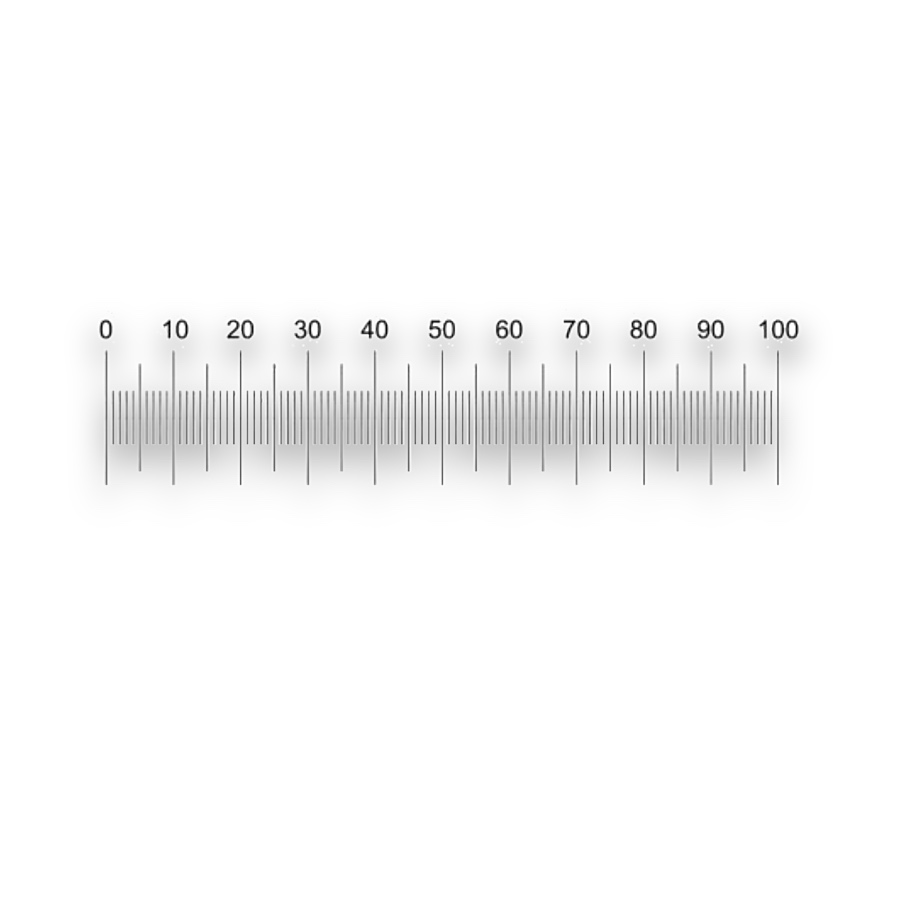
An eyepiece micrometer reticle places a graduated reference in the microscope image plane. It lets an operator measure particle lengths, fibre widths and small component features against a scale visible with the specimen.
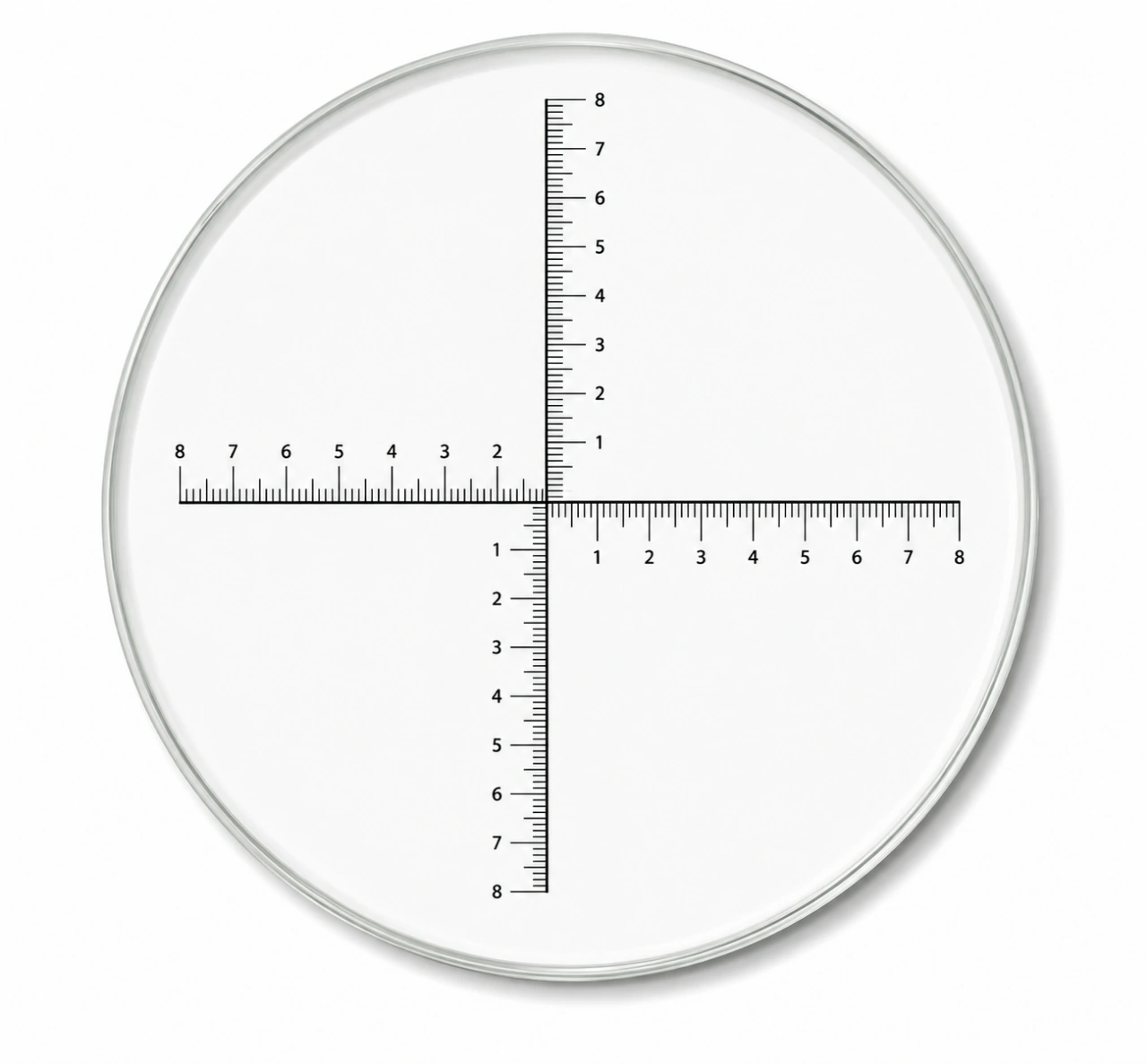
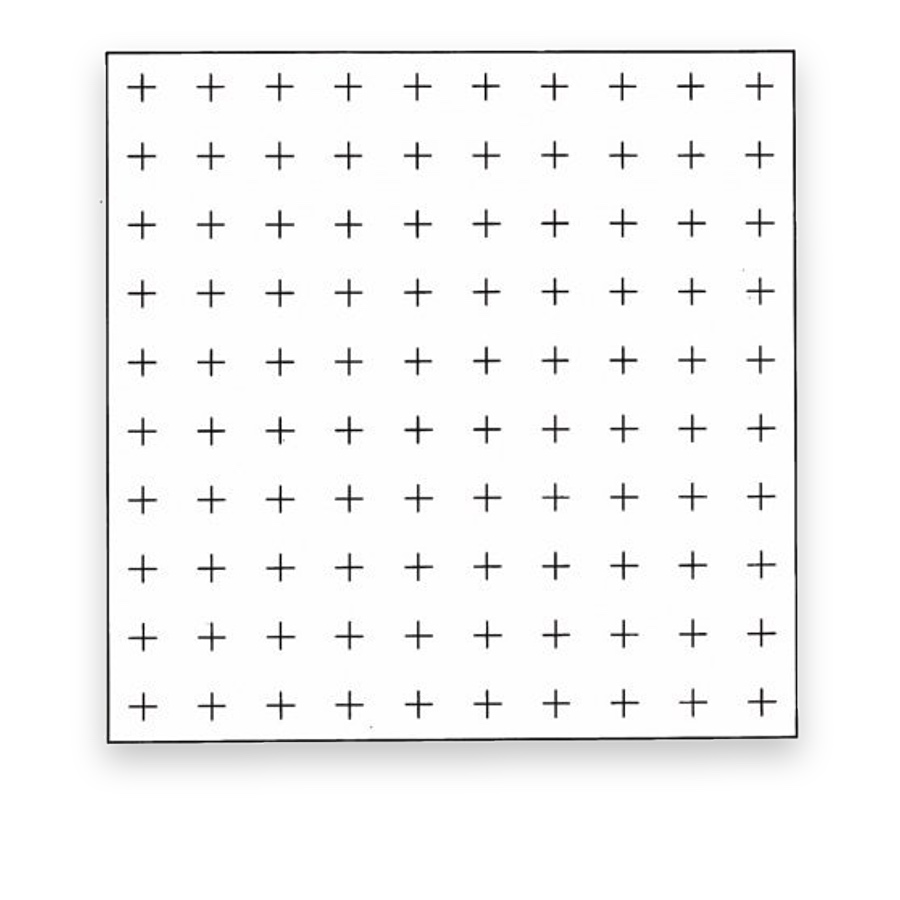
Crossed-Scale Reticles

Crossed-Scale Reticles

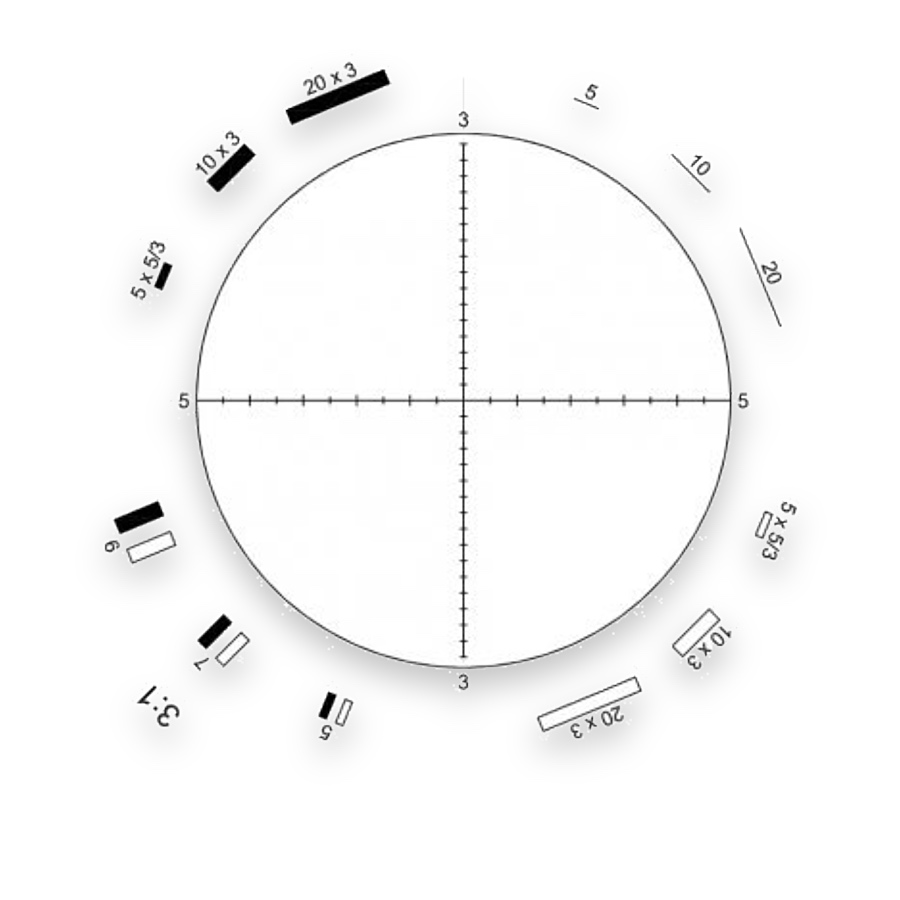
Two graduated axes sharing an origin for X/Y measurement and centring inside an eyepiece.

Counting Grid Reticles

Counting Grid Reticles

Counting Grid Reticles for method-defined microscopy and counting. Compare pattern layouts and choose the configuration for your instrument.

Concentric Circle Reticles

Concentric Circle Reticles

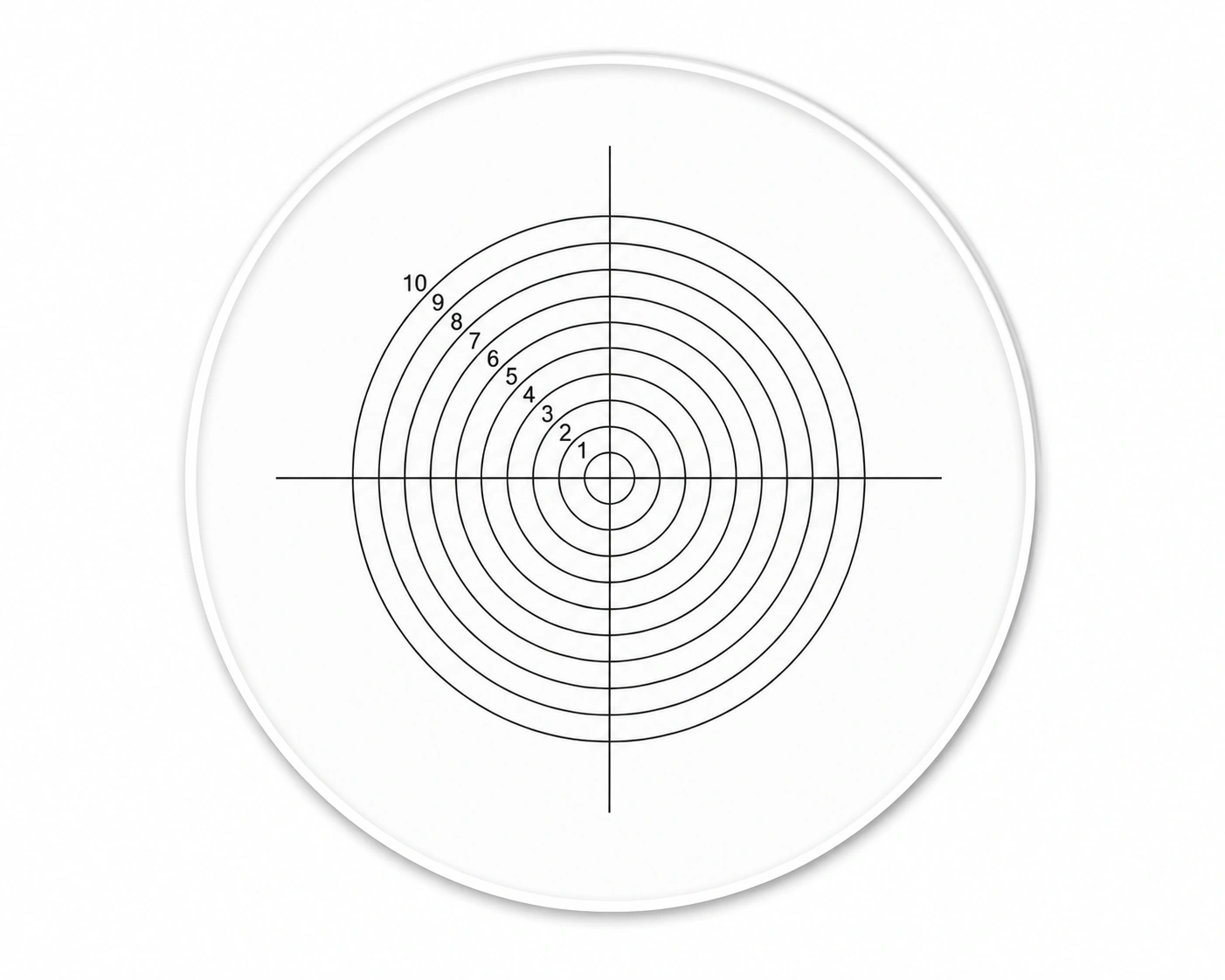
Concentric-circle reticles place several circles around a common centre for optical centring and radial comparison. They help compare circular edges, projected diameters and the symmetry of a visible field.

Protractor Reticles

Protractor Reticles

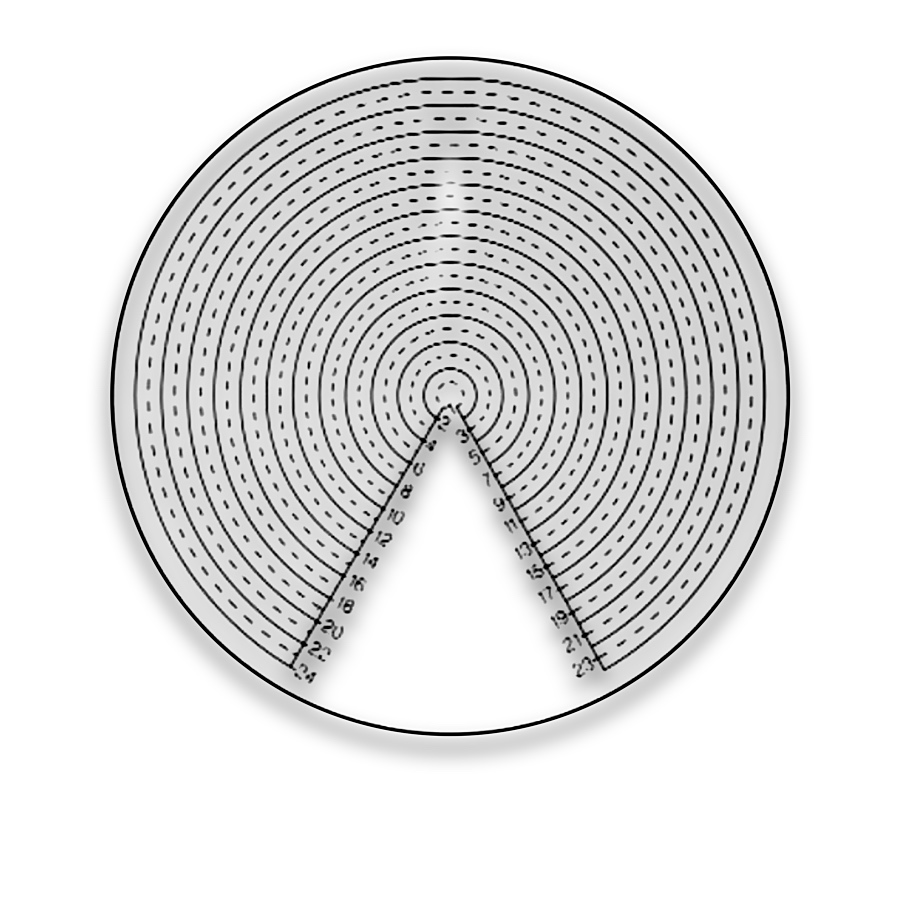
Protractor Reticles for optical centring, aiming and alignment. Compare pattern layouts and choose the configuration for your instrument.

Compare the patterns

Product typeWhen to choose it
Eyepiece Micrometer ReticlesChoose a single scale for measurements along one direction. Choose crossed scales for two perpendicular directions or for measurements that must share a common origin. Rotate the reference or specimen so the measured feature follows the scale axis.
Crossed-Scale ReticlesChoose a single scale for measurements along one direction. Choose crossed scales for two perpendicular directions or for measurements that must share a common origin. Rotate the reference or specimen so the measured feature follows the scale axis.
Counting Grid ReticlesCalibrate the specimen-plane cell area and set inclusion and exclusion rules for particles on boundaries. A planar grid does not define a liquid volume.
Walton–Beckett Fibre-Counting GraticulesChoose this family for a fibre-counting procedure that explicitly uses a Walton–Beckett field, with calibration at the actual microscope magnification.
Concentric Circle ReticlesChoose this pattern when the feature of interest is circular or when several radial limits must be visible together. Use a central cross or orientation mark when the centre also needs an independent reference.
Protractor ReticlesUse a protractor pattern when orientation or an included angle is the observation of interest, such as comparing edges and aligning a visible feature to an angular reference.

Where this product is used

Substrate & optical configuration

Specify glass type, diameter, thickness, edge finish and the patterned surface. Match clear aperture and line width to the viewing optics. For an eyepiece installation, confirm the reticle seat and focus position before choosing the substrate thickness.

Selection notes

Microscope eyepiece reticles add scales, grids and reference patterns within the microscope viewing optics.

Choose a pattern for measuring, counting or comparison, and match eyepiece diameter and focal-plane position. Calibrate specimen dimensions with a stage micrometer.

Information for your inquiry

Eyepiece fit, pattern, divisions, field, focal plane and objectives.

Does an eyepiece reticle calibrate itself?

No. Its physical graduations must be related to specimen dimensions in the actual optical configuration, normally using a stage micrometer.

Search