Concentric Circle Reticles

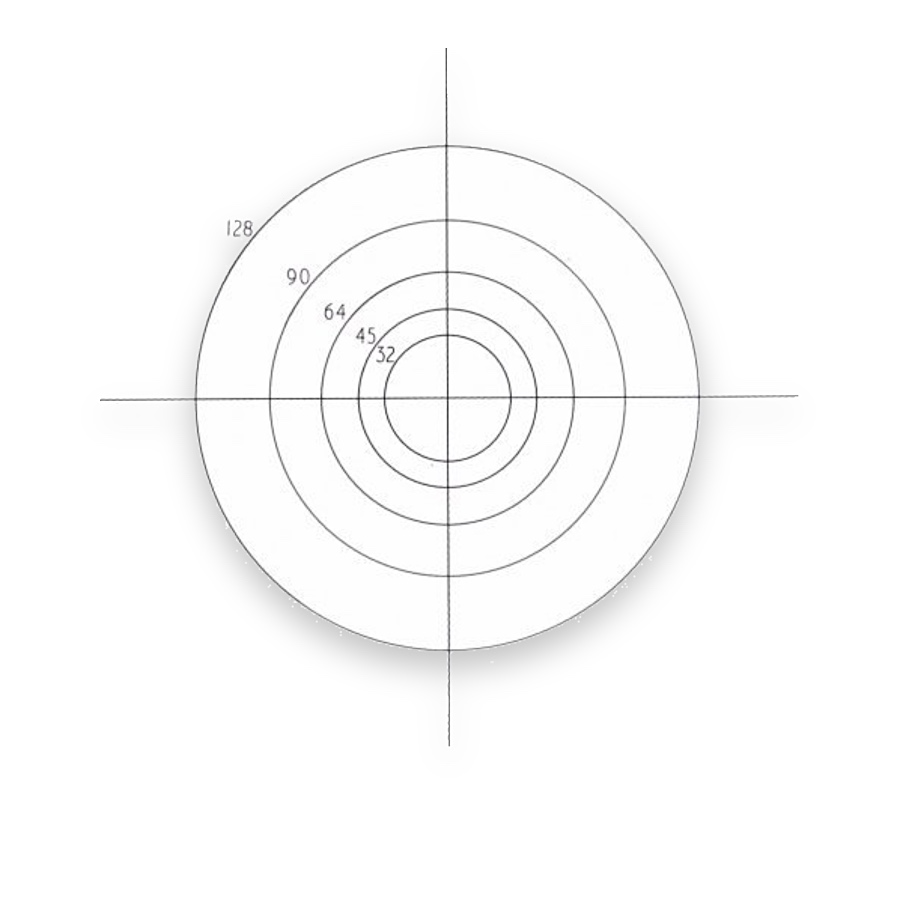
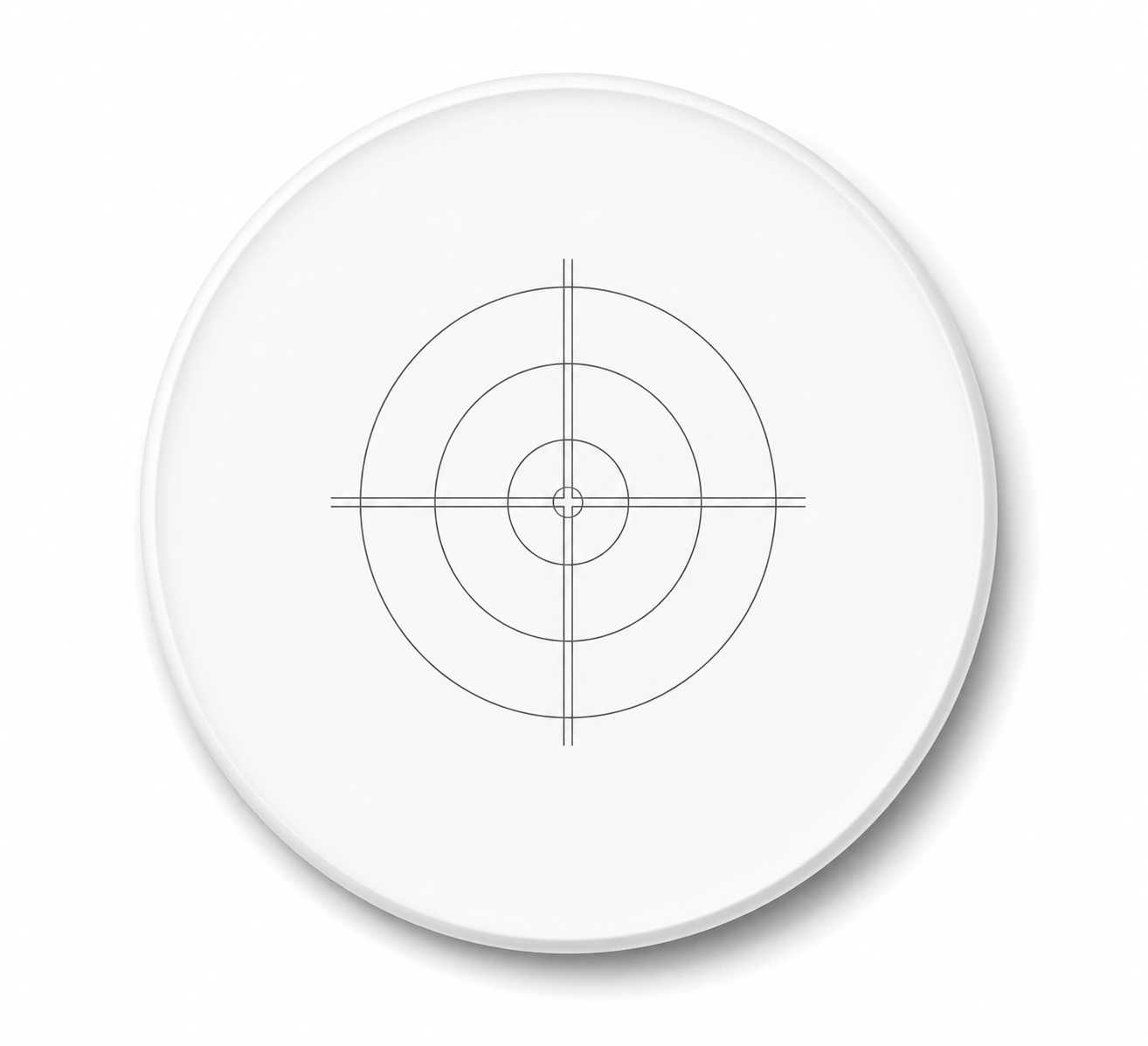
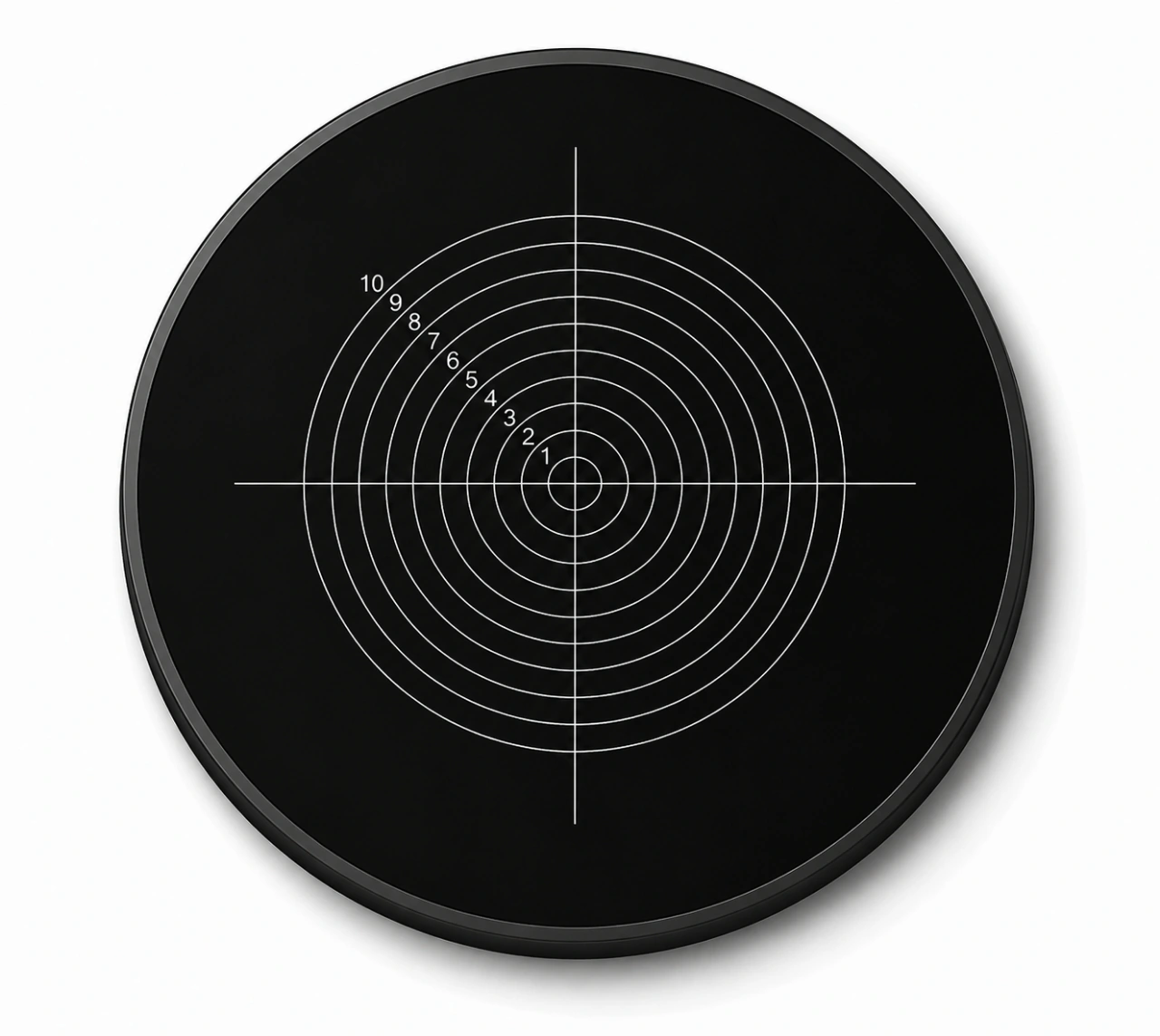
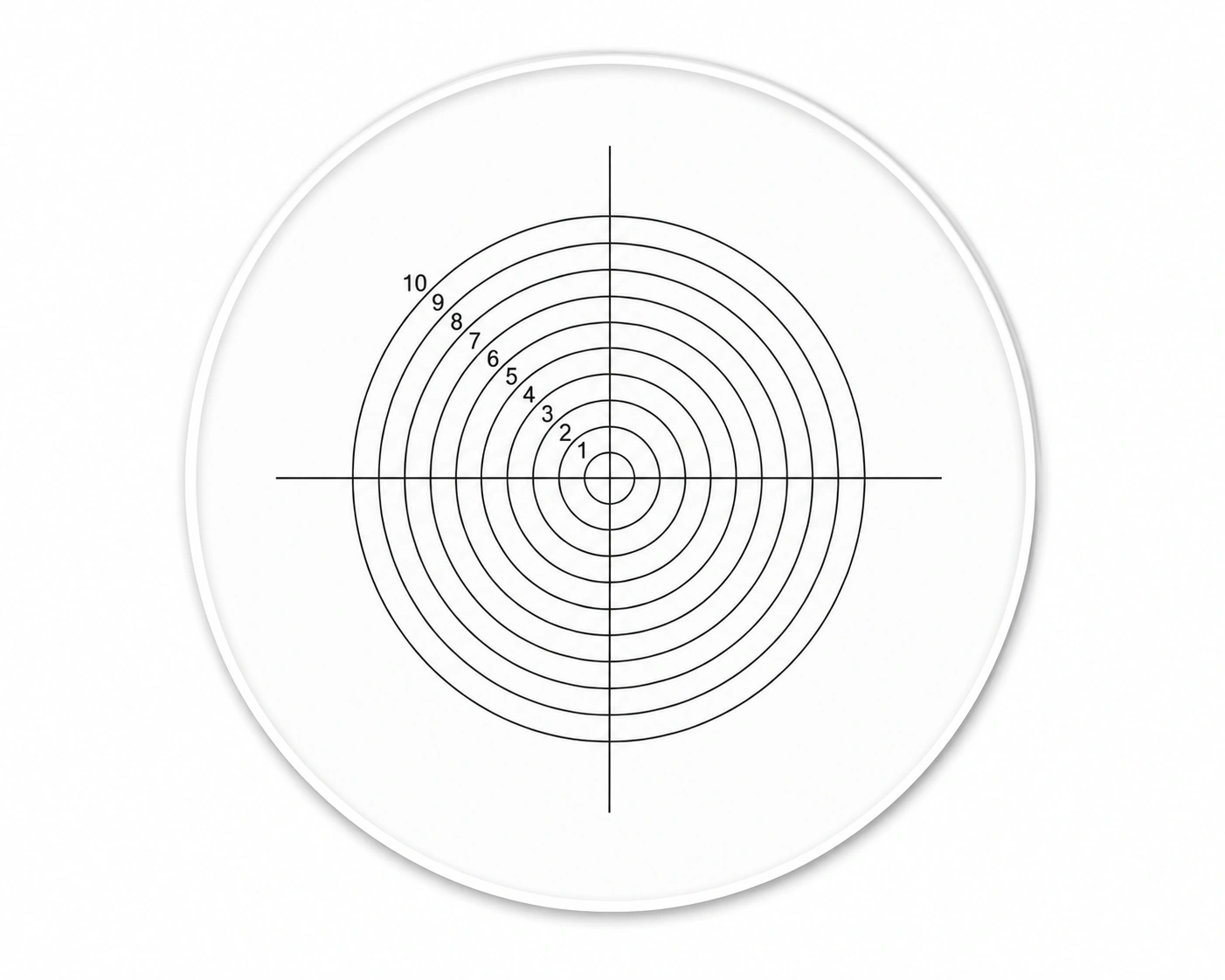
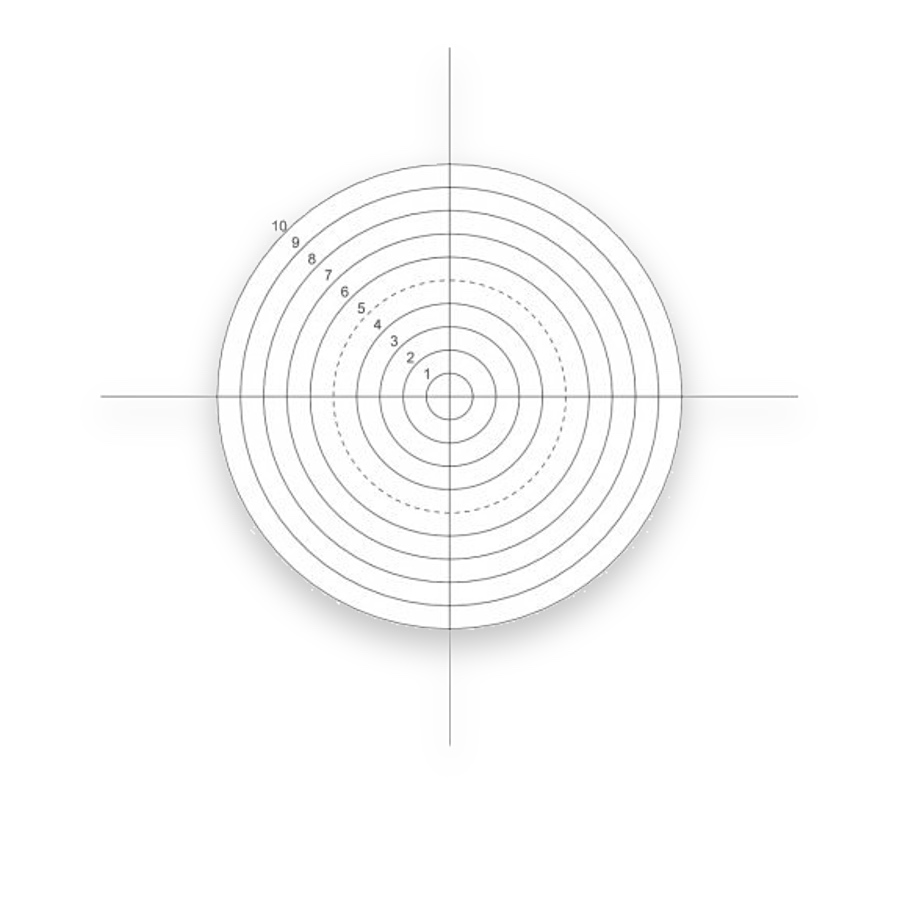
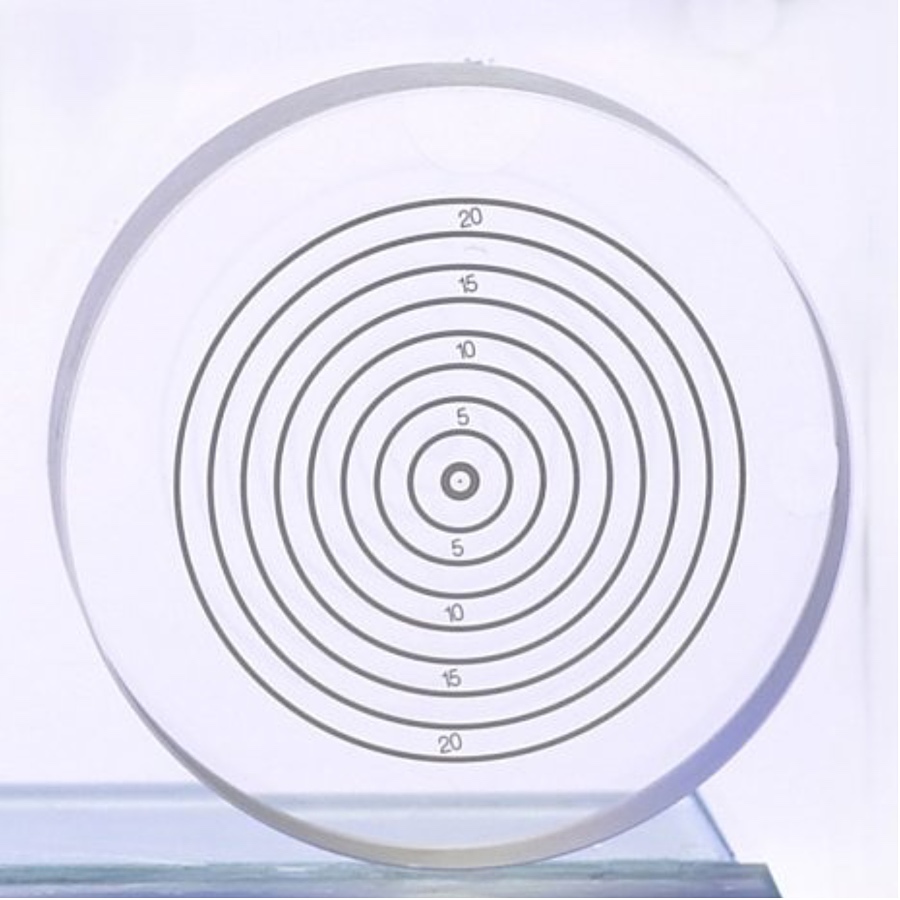
Concentric-circle reticles place several circles around a common centre for optical centring and radial comparison. They help compare circular edges, projected diameters and the symmetry of a visible field.

Concentric Circle Reticles

Configuration and materials

Specify optical glass or fused silica, overall dimensions, thickness, pattern-side orientation and the clear aperture. Define transmission, reflectance or optical density at the working wavelength when optical contrast is critical.

  • Circle diameters and radial or area progression
  • Ring linewidth and common-centre position
  • Centre mark, numbering and usable field

Using the reference in the instrument

Centre and radial extent

Concentric rings make decentring visible as unequal clearance around a circular target. Ring diameters and concentricity define the reference, while magnification determines their equivalent size at the object.

Ring and angle references in lensmeters
Circular references in optical instruments

Rings can support centring, projected-size comparison and lensmeter readout. In a lensmeter, the instrument optics define the relationship between ring displacement and prism power; ring geometry alone does not set that value.

Optical references in measuring instruments

Choose by function

What it is and what it does

Concentric-circle reticles place several circles around a common centre for optical centring and radial comparison. They help compare circular edges, projected diameters and the symmetry of a visible field.

When to choose it

Choose this pattern when the feature of interest is circular or when several radial limits must be visible together. Use a central cross or orientation mark when the centre also needs an independent reference.

How it differs from related products

Concentric rings share one centre. A particle-comparison reticle usually places separate circles of different sizes beside one another. A protractor adds angular readings rather than diameter references.

What can be customised

Circle diameters, radial intervals, line width, centre marks and numbering determine the comparison method. Equal radial steps and equal-area rings create different sampling regions.

What you receive

A patterned reticle with a defined common centre and ring geometry. Specimen-plane diameter values are established in the working optical arrangement.

Where this product is used

Pattern and format options

Concentric Circle Reticles — Numbered concentric circles

Numbered concentric circles

Concentric Circle Reticles — NE44

NE44

Concentric Circle Reticles — P164

P164

Concentric Circle Reticles — NG5

NG5

Concentric Circle Reticles — Concentric circles with crosshairs

Concentric circles with crosshairs

Concentric Circle Reticles — Concentric circles on a dark field

Concentric circles on a dark field

Common questions

Are equally spaced rings equal in area?

No. Annular area grows with radius for a fixed radial interval. Equal-area sampling needs a different sequence of radii.

Can the rings check centring and size together?

Yes, but establish the centre first. Otherwise eccentricity can be mistaken for a diameter change.

Are ring dimensions specimen dimensions?

Only after the optical conversion is established. Calibrate a microscope reticle against a specimen-plane reference.

Related pattern choices

Selection notes

Concentric circle reticles share one centre across several rings for centring, radial comparison and circular-outline inspection.

Specify each diameter and line width, plus the common centre relative to the datum. Choose the ring sequence for the task.

Information for your inquiry

Ring diameters, spacing, line width, centre mark, mounting datum and active field.

Must the circles be equally spaced?

They can use equal spacing or a specified diameter sequence. Define each ring and its intended role in the drawing.

Search