What the component does
A compatible chamber and cover create controlled observation conditions. A graticule can add a field or size reference for the selected method.

Control the observed field and sample layer when examining liquid, food or beverage preparations under a microscope.
Different methods may count objects, occupied fields or other features. A grid does not determine the reporting method.
Where a method uses volumetric counts, volume depends on counted area and chamber depth. Other methods may report field-based observations.
A compatible chamber and cover create controlled observation conditions. A graticule can add a field or size reference for the selected method.
Mixing, dilution, settling and the selected counting convention affect the sample result. Keep these conditions consistent with the chosen method.
A generic cover slip may not seat correctly on a counting chamber. Do not convert a field count into concentration without a method that defines the sampled volume.
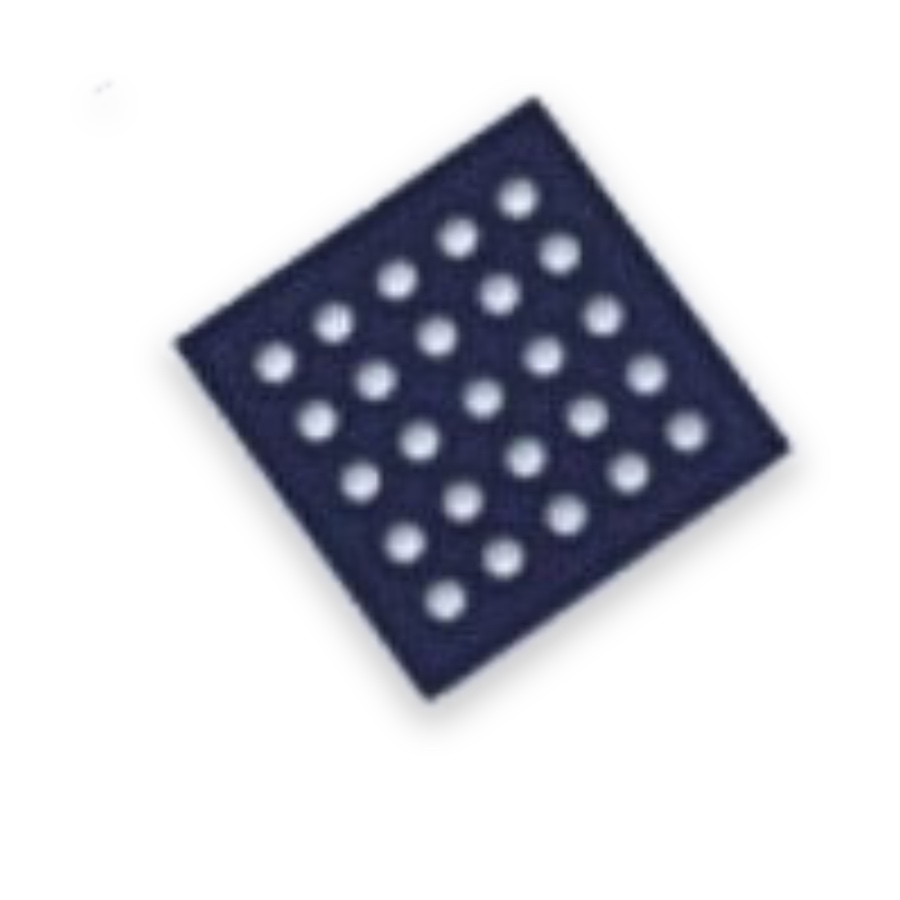
Compare covers associated with the supplied chamber examples.
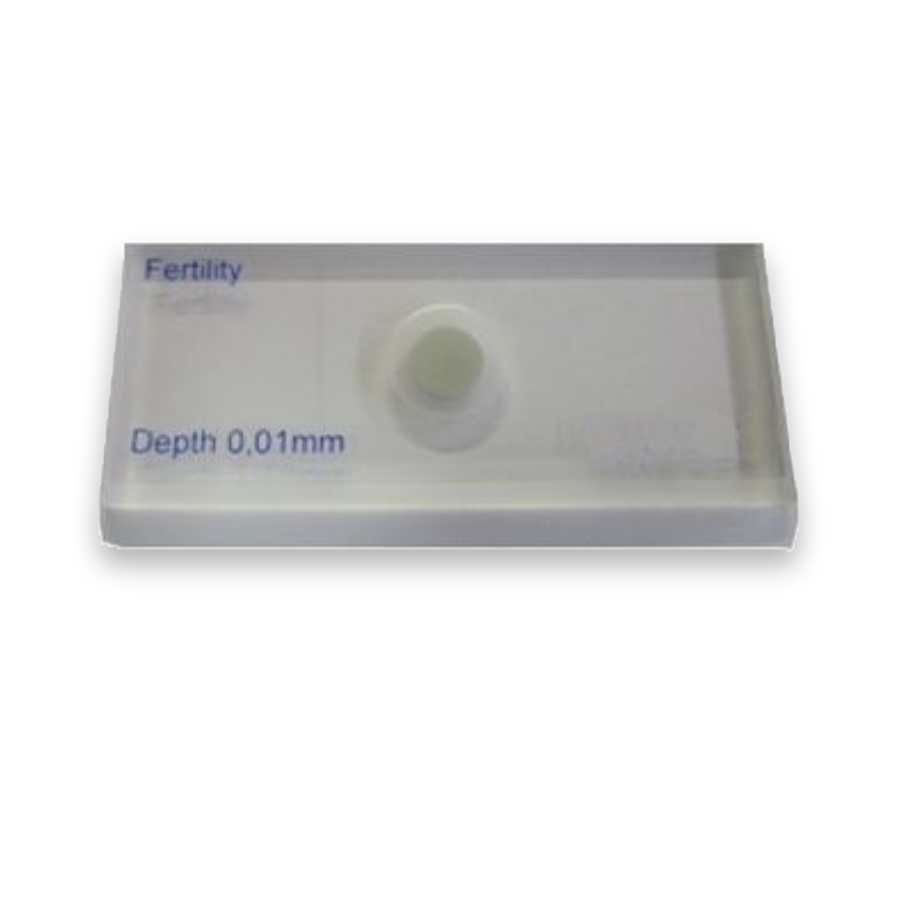
Provides the chamber geometry for compatible controlled-depth observations.
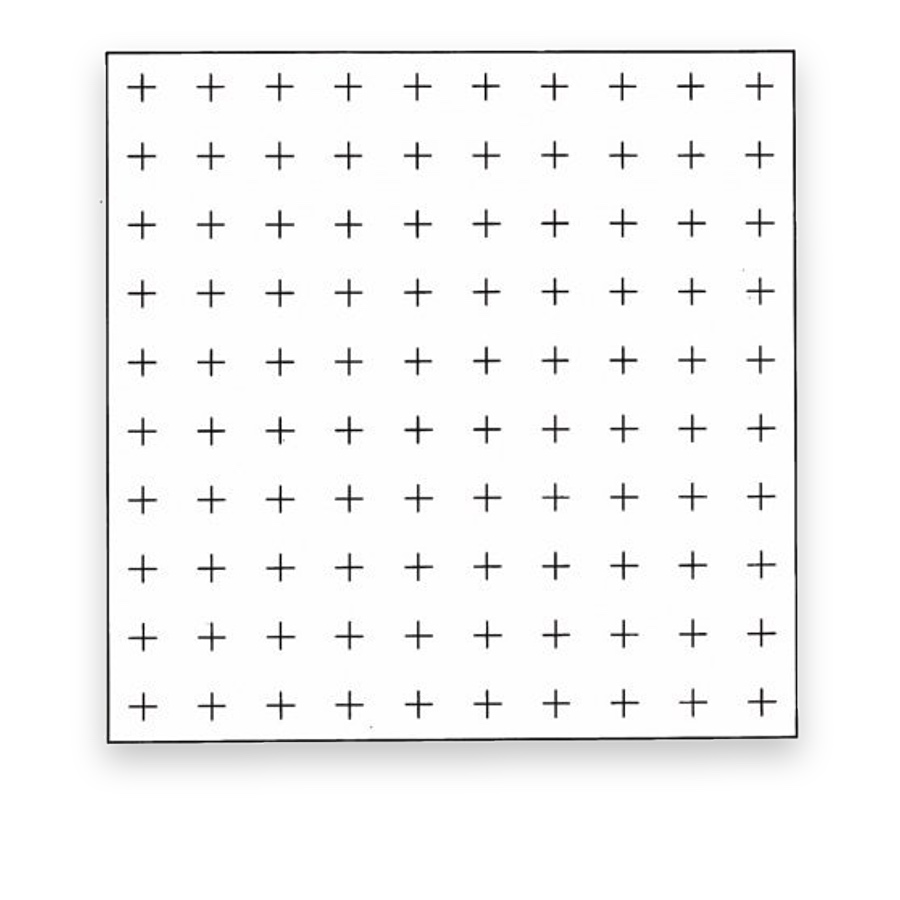
Optical sampling fields for a compatible observation method.
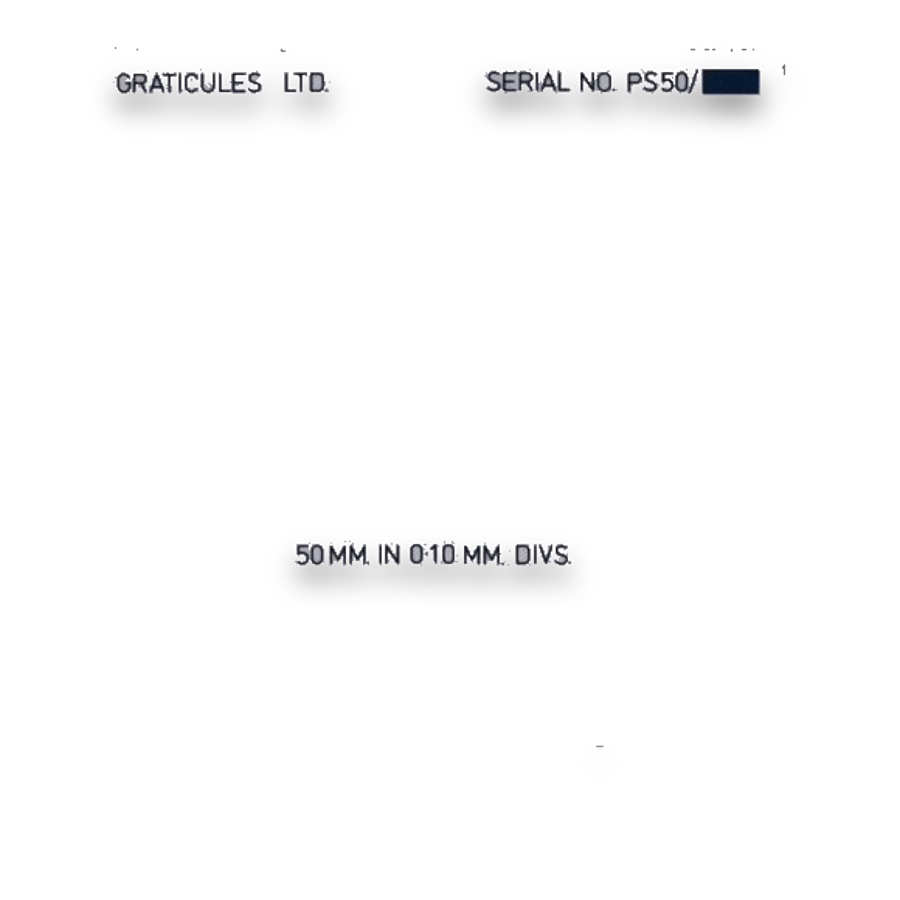
Length references for microscopy measurements.
Different sample methods use different observation chambers. Howard cells are associated with mould examination of prepared food samples; Sedgewick–Rafter chambers support observations such as organism counting in water. Their geometry and interpretation should not be mixed with a blood-cell counting method.
Start with the named chamber and method, then identify whether the requirement concerns a replacement cover, patterned glass or a complete assembly. Covers must seat correctly; an unrelated slide of similar outside dimensions may not preserve the observation geometry.
The counting or scoring method determines which field is observed and how results are interpreted. A chamber cover contributes the optical boundary and seating relationship. If volume is used in the calculation, it must come from verified chamber geometry rather than the appearance of a grid.
Prepare and distribute the sample according to its procedure, maintain the intended cover arrangement and use consistent focus and illumination. Optical scales and grids can support image measurement, while the chamber-specific method defines the specimen result.
Microscopy of liquid, food and beverage samples requires chambers, covers and observation rules matched to the method.
Some methods count a defined volume; others report by field or another convention. Keep their conversions distinct.
Check seating, thickness and chamber requirements. Similar outline alone does not preserve observation depth or optical conditions.