Match the source and detector
Use a measurement response suited to the exposure source. A 365 nm process needs a detector and method suitable for that band; a UV label alone is not enough.

Record the exposure conditions behind a repeatable process.
During patterning, we measure the exposure light at defined positions with a detector suited to the source. Recording irradiance alongside exposure settings helps compare process runs and investigate changes in the developed pattern.
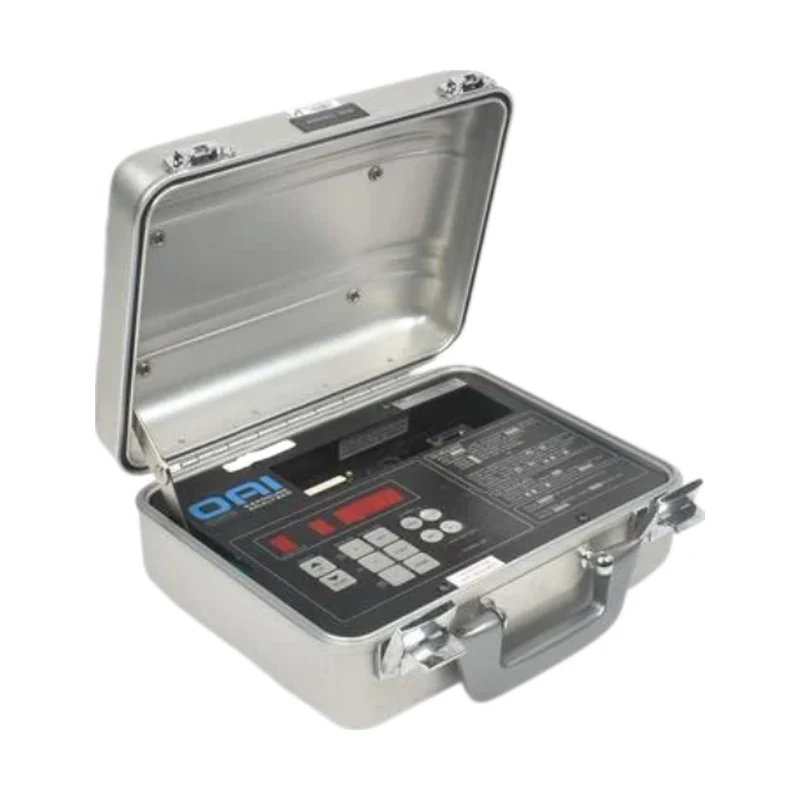
Use a measurement response suited to the exposure source. A 365 nm process needs a detector and method suitable for that band; a UV label alone is not enough.
Record detector position, working distance, exposure settings and measurement date. Compare positions under the same setup when a field review is required.
Record irradiance and exposure time. Cumulative dose is reported only with a suitable validated integration or measurement method, including how source variation is handled.
Connect the reported values with the part or witness piece, measurement positions and drawing revision. Include the required records in the order scope. Review delivery records
This is a process-control measurement. It does not replace finished-pattern dimensional inspection, defect review or an agreed product acceptance test. Detector bandwidth and dose capability must match the actual configuration.
No. Changes in source output, position or setup can change the delivered exposure. Compare suitable irradiance or dose records together with the exposure conditions.
Review resist thickness alongside exposure conditions.
Check finished pattern dimensions after the exposure and development steps.
Share the critical acceptance items, required records, quantity and delivery needs. Use your existing drawing for the dimensions already defined.