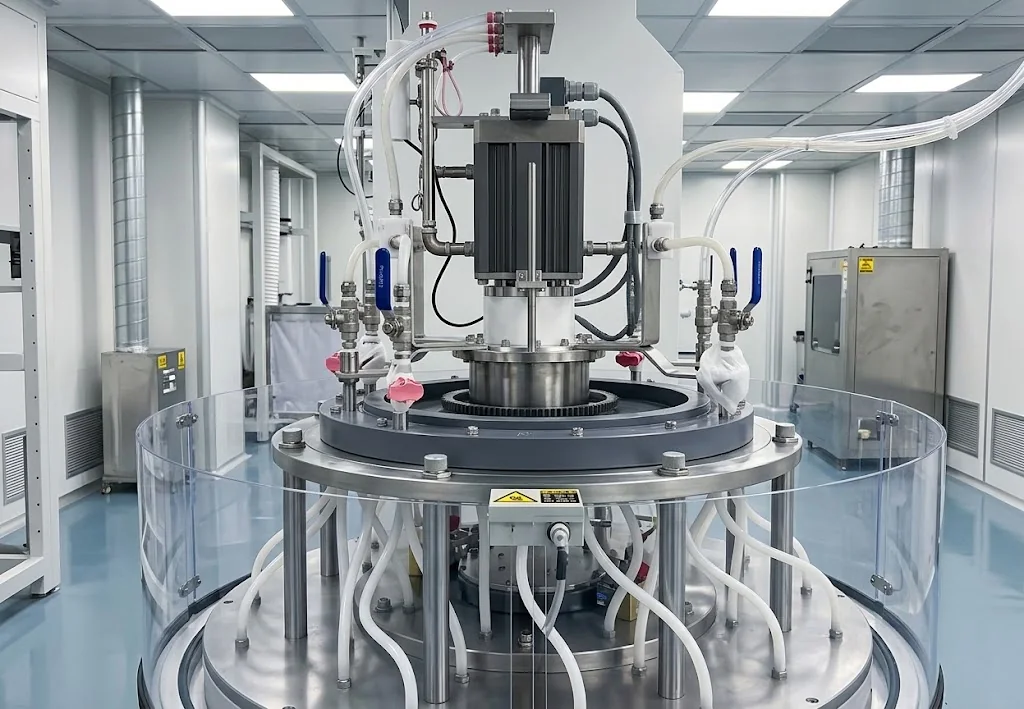
Glass preparation
Define the finished substrate.
Material grade, outer dimensions, thickness, flatness, surface quality and edge condition determine the preparation route. Refer to the substrate page for product-specific requirements.

Match the processing route to the material, geometry and finished function.
Glass preparation, coating, patterning and cutting can form different routes. Review the starting condition and required result together: a process that works on one substrate or geometry may not suit another.
Define the finished substrate.
Material grade, outer dimensions, thickness, flatness, surface quality and edge condition determine the preparation route. Refer to the substrate page for product-specific requirements.
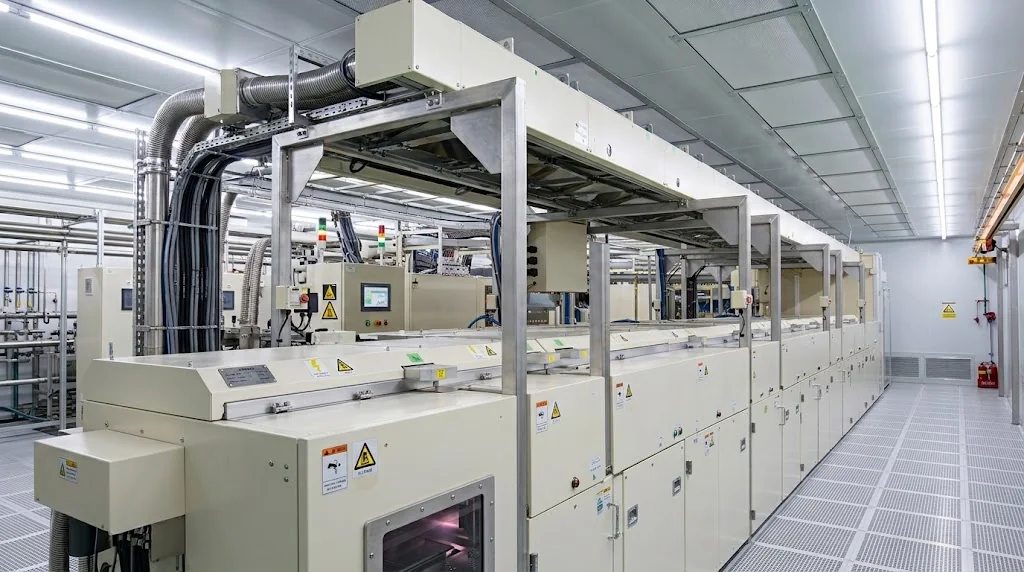
Specify the film and the next process.
Identify the substrate, coated side, useful area and optical or process requirements. For photoresist-coated blanks, include the intended exposure and downstream processing conditions.
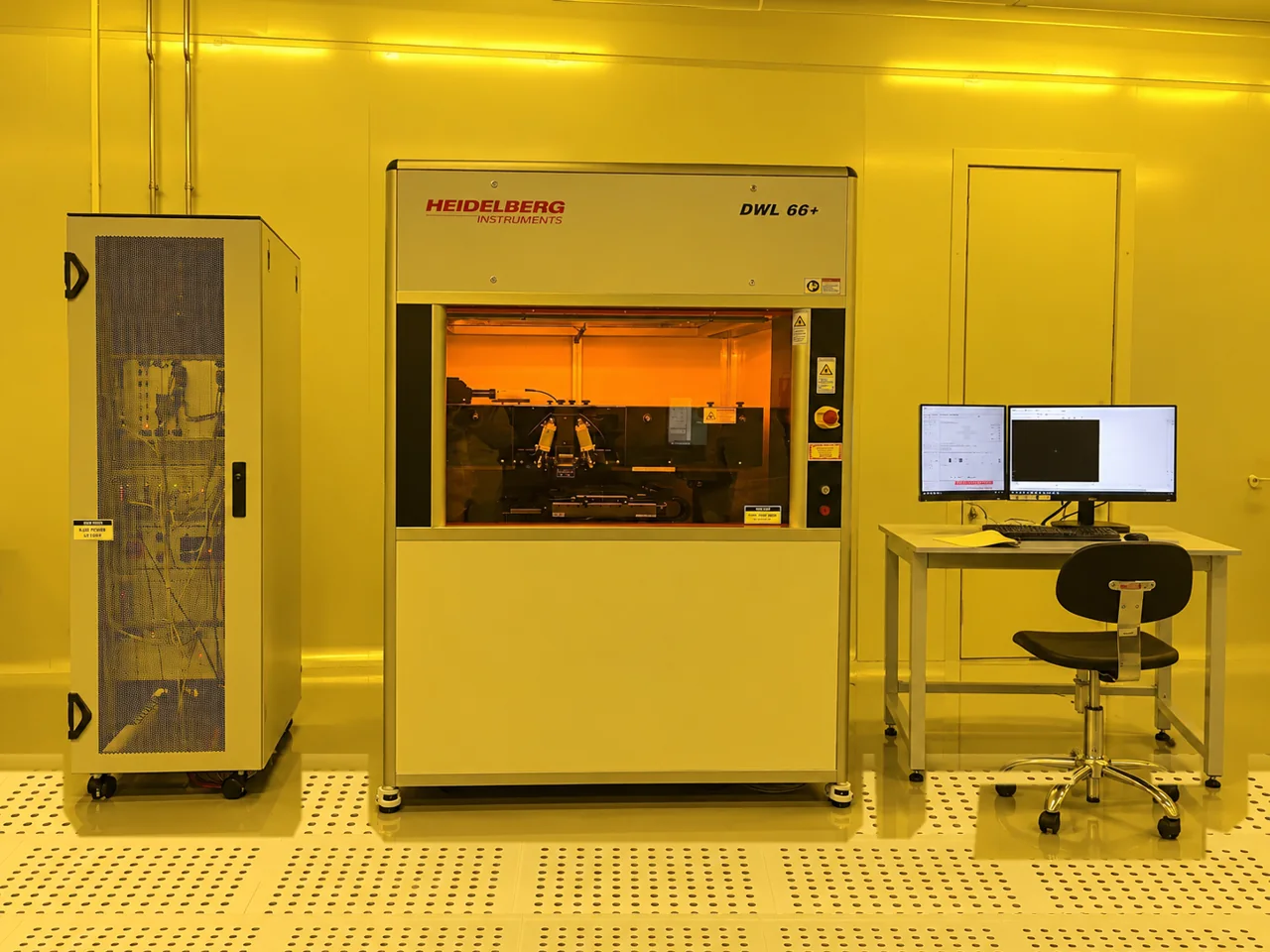
Define the pattern and its reference.
Provide the released artwork, clear and opaque regions, viewing side, active area and critical alignment features. Data conversion or pattern compensation should be agreed separately from the nominal design.
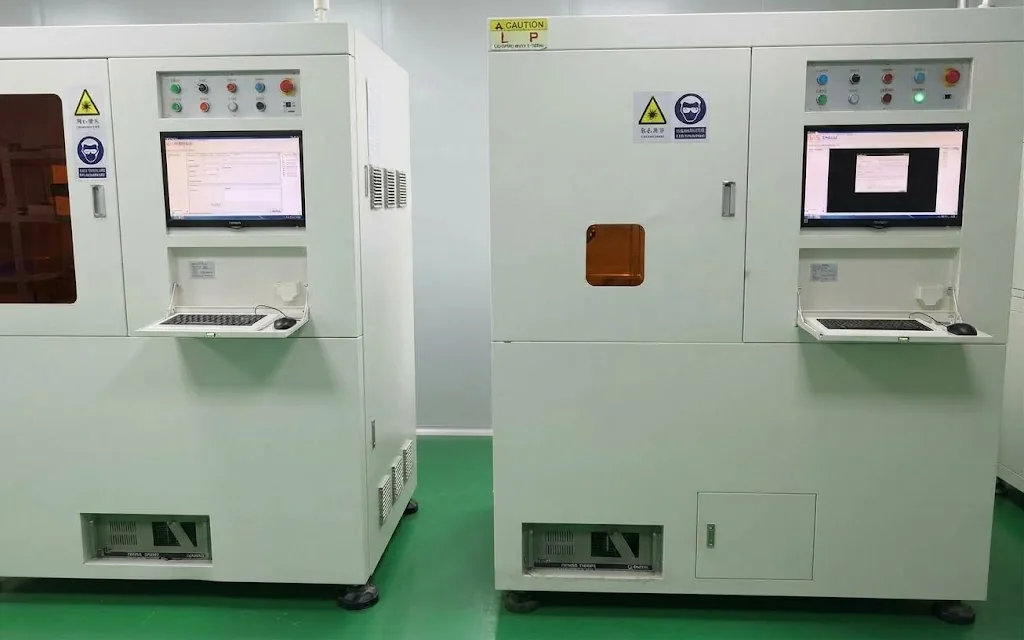
Connect geometry with edge quality.
Material, thickness, outline, holes or apertures, datums and edge condition are reviewed together. Include any coating or pattern that must be protected during cutting.
Use your drawing for the information already defined. Add the starting condition and any requirements that affect the proposed operation.
This is reviewed by project, rather than accepted for every material. Agree the incoming condition, inspection, required operation, handling and responsibilities before arranging shipment.
Provide the coating or pattern information and identify protected areas. Compatibility, registration, edge effects and final inspection must be reviewed for the specific part.
This page concerns glass and patterned optical components and their processing. Specify the component-level requirements and its role in the equipment so the supply scope can be defined clearly.
Share the starting part and required result, quantity and inspection needs. The quotation can then identify the included operations and delivery scope.